Showing posts with label India. Show all posts

Tuesday, April 17, 2012

The Impact 'Harm Reduction Strategies' Has on Sex Workers

via The Jurist, by Elizabeth Hand

Shohagi was only fourteen when her father arranged her marriage. Sent away from her home, family and friends to marry an unknown man who was much older, she quickly discovered her partner's violent nature. The abuse sent her fleeing back home to a family that rejected her for disobeying her father, threatening her with death. No longer possessing any support system or income, she was shepherded into a brothel in Calcutta. Western perspectives on sex work require such a tale to be met with horror and sympathy. However, Shohagi describes her experience as a sex worker with hope and empowerment. Working in a brothel gives her the chance to earn an income and support herself. Distanced from the violence of both her husband and family, she prefers her life of autonomy.

Shohagi's story is far from unusual, yet it does not conform to the usual cautionary tale that accompanies debates about sex work. Too often the narrative is one of woe and misfortune that leaves a woman with no choice but to become a prostitute, and her life rapidly decays. Adopting this typical western, feminist criticism of prostitution leaves no room for the possibility that a person chooses sex work, and is also pursuing his or her best interests. While many second-wave academics, like Catharine MacKinnon in her article Prostitution and Civil Rights, draw a distinction between indentured servitude and sex work by making the argument that a condition entered into voluntarily, prostitution, is different than one entered into involuntarily, servitude. However, functionally they are both treated as a type of slavery. This approach fails to validate a person's choice to work as a sex worker. In the name of protecting women, MacKinnon fails to acknowledge the agency of women who choose sex work. A viewpoint like this highlights the shortcomings of western ideologies that tend to equate morality with legality. To the contrary, harm reduction strategies can offer protection to sex workers, who are at a high-risk of contracting HIV or facing sex-related violence. However, rather than focusing on harm reduction, generally criminalization is preferred, which strips sex workers of valuable protections and condemns them as immoral.

While no federal law exists that bans all prostitution across the board, Nevada is the only state that, in a few counties, has legalized some forms of prostitution. Many states enforce punishments exceeding a year in prison for this line of sex work. In essence, with the exception of a few counties in Nevada, prostitution is illegal in the US. The reasons cited for why prostitution should remain illegal range from the argument that it is degrading and base to the idea that it is a form of violence against women, or that banning it deters violence against women. Are these compelling enough reasons to justify the continued criminalization of many forms of sex work? Looking to other countries' approaches to monitoring sex work, the US has a lot to gain from legalizing prostitution as a means to ensure sex workers' safety, health and protection from abuse. If the US were to legalize prostitution, the government could more closely regulate it, implementing harm reduction strategies that could be pivotal in tackling HIV/AIDS, STIs, and violence towards sex workers.

The US has traditionally disfavored the implementation harm reduction strategies, preferring to take the moral high road. From needle exchanges to the regulation of sex work, the US chooses hardline stances against these activities at the cost of abandoning citizens that could be offered partial protection. Needless to say, HIV and AIDS are significant concerns when it comes to sex work, and US policy continually uses HIV/AIDS as a guise for providing a motive for eradicating sex work, specifically prostitution. However, when the government steps in to monitor and regulate commercial sex, as opposed to prohibiting it, HIV incidence is likely to go down. Without the government stepping in to police the sex trade, sex workers will continue to be at high risk of infection, while also lacking access to health care and prophylactic resources. Policies aimed at regulating brothels for public health reasons have had tremendous success in lowering not only the incidence of HIV infections in sex workers, but also the overall incidence in the population by altering behavior when it comes to practicing safer sex methods. A UNAIDS case study evaluated Thailand's 100 percent condom use program and found that the government's mandate of condom use within brothels, a policy aimed at combating rapidly rising HIV at the onset of the global AIDS epidemic, made sex work safer and altered cultural norms surrounding sexual practices for the entire nation.

Read the Rest.


[If an item is not written by an IRMA member, it should not be construed that IRMA has taken a position on the article's content, whether in support or in opposition.]

Monday, February 27, 2012

Acceptability of coitally-associated versus daily use of 1% tenofovir vaginal gel among women in Pune, India

via International Health, by Sanjay Mehendale, Swapna Deshpande, Rewa Kohli, Sharon Tsui, Elizabeth Tolley

Abstract

This study reports on the acceptability of 1% tenofovir microbicide gel among participants randomised to the coitally-associated use (n=50) or daily use (n=50) arms of a Phase II clinical trial in Pune, India. In a 6-month follow-up study, information on behavioural domains was collected on a 6-point Likert scale and gel acceptability was measured on a 5-point Likert scale. Random intercept logistic modelling was performed to examine the simultaneous effects of study arm, follow-up time, sociodemographic factors and behavioural domains on gel acceptability. The mean age of female participants was 32.7 years. Women in both study arms had similar sociodemographic profiles. Women liked features such as easy use of the gel and its protective effect against HIV. Messiness was the most disliked feature. Gel acceptability increased during subsequent follow-up visits in both arms, especially in the coitally-associated use arm. Non-acceptability of the gel was almost two and a half times higher in daily users (adjusted odds ratio 2.55, 95% CI 1.18–5.51; p=0.017). Acceptability differed significantly between the two study arms at 2 months (68% vs 40%; p=0.006) and 6 months (64% vs 46%; p=0.07). Acceptability was significantly lower in those participants who reported ‘messiness’ as the most disliked feature (odds ratio 2.42, 95% CI 1.02–5.72; p=0.045). In conclusion, microbicides were more acceptable in coitally-associated users than in daily users. Leakage was a problem that requires attention. Positioning of the product in a setting such as India where the majority of decision-making is done by men would need extensive and systematic education of men.


[If an item is not written by an IRMA member, it should not be construed that IRMA has taken a position on the article's content, whether in support or in opposition.]

Monday, September 12, 2011

Legal Case in India Threatens HIV Drug Access for Poorest

via The Bureau of Investigative Journalism, by Melanie Newman

"India is literally the lifeline of patients in the developing world, especially in the poorest parts of Africa…If Sec. 3(d) is overturned, it means any meaningful effort to make these vital medicines available will be put in jeopardy."

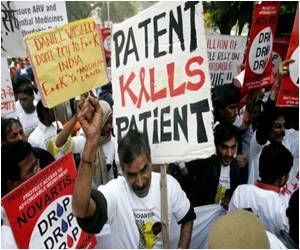
A technical case going through the Supreme Court in India is being carefully watched by aid agencies and other human rights organisations, who claim it could have severe consequences for the supply of lifesaving drugs to the developing world.

More than 90% of drugs used to treat children with AIDS in Africa come from Indian generic manufacturers, according to the medical NGO Medicins Sans Frontieres. And if the Swiss pharmaceutical giant Novartis wins a case it has brought against the Indian government, MSF fears that supply could dry up.

Novartis is seeking patent protection for its leukaemia drug Glivec, whose patent has expired in India. It is challenging India’s interpretation of a section of the nation’s patent law — Section 3(d) — which prevents ‘evergreening’.

Read the rest.

[If an item is not written by an IRMA member, it should not be construed that IRMA has taken a position on the article's content, whether in support or in opposition.]
Wednesday, July 6, 2011

UNAIDS rejects prejudice and misconceptions about men who have sex with men and transgender people

Via UNAIDS.

UNAIDS lauds efforts by India’s National AIDS programme to provide HIV services for men who have sex with men and transgender people. Currently around 67% of men who have sex with men in India are accessing prevention services. According to estimates of the National AIDS Control Organization, there are more than 400 000 men who have sex with men inIndia; HIV prevalence in this population is about 7.3% compared to a national adult HIV prevalence of 0.31%.

“India’s rich tradition of inclusivity and social justice must include men who have sex with men and transgender people,” said Michel Sidibé, UNAIDS Executive Director, on the side lines of the National Convention of Parliamentarians and elected representatives. “India’s successful AIDS response has been possible due to the strong participation of communities of men who have sex men, sex workers, people who inject drugs and transgender people backed by a strong and progressive National AIDS policy.”

UNAIDS welcomes the call by the Prime Minister of India, Dr Manmohan Singh, to have an “HIV sensitive” policy and programmes so that the marginalized populations affected by HIV are not denied the benefits of health and development programmes. “We should work to assure for them a life of dignity and wellbeing. We have to ensure that there is no stigma and discrimination towards HIV infected and affected persons,” said Dr Singh. During the inauguration of the National Convention, Dr Singh reiterated his government’s strategy to provide HIV services to groups at higher risk of HIV infection.

“There is no place for stigma and discrimination on the basis of sexual orientation,” said Mr Sidibé. “I welcome the bipartisan call by Mrs Sonia Gandhi and Mrs Sushma Swaraj to end all forms of stigma and discrimination against people at increased risk of HIV infection.”

In 2009 the Delhi High Court overturned a law that criminalized consensual adult sexual behaviour. This stand was also supported by the Government of India in its affidavit filed with the Supreme Court.

“Consistent with WHO’s disease classification, UNAIDS does not regard homosexuality as a disease,” said Mr Sidibé. According to the recently released UNAIDS and WHO guidelines on prevention and treatment of HIV and other sexually transmitted infections among men who have sex with men and transgender people, legislators and other government authorities should establish anti-discrimination and protective laws in order to eliminate discrimination and violence faced by men who have sex with men and transgender people.

UNAIDS is committed to providing support to India’s successful AIDS response, which has seen new HIV infections drop by more than 50% in the last decade. India currently produces more than 85% of high-quality generic antiretroviral drugs for the majority of low- and middle income countries.India’s courts have progressively protected the human rights of people living with HIV and men who have sex with men by striking down discriminatory laws.

UNAIDS will work with the Government of India, civil society and community groups in realizing the vision of zero new HIV infections, zero discrimination and zero AIDS-related deaths in India.


Find the statement here.

[If an item is not written by an IRMA member, it should not be construed that IRMA has taken a position on the article's content, whether in support or in opposition.]

Tuesday, July 5, 2011

Pink community sees red over 'disease' comment

Via Mid-Day, by Rinkita Gurav.

"Men having sex with men (MSM) is not only a 'disease' but is also 'unnatural'," uttered by Union Health Minister Ghulam Nabi Azad has ruffled the feathers of many gay activists and members from the LGBT (Lesbian, Gay, Bisexual, and Transgender) community.

During the national convention of Zila Parishad chairpersons and mayors on HIV/AIDS, Azad said, "The disease of MSM is unnatural and not good for India. We are not able to identify where it is happening as cases of it being reported are very few."

However, these words have angered the LGBT community causing many to question Azad's knowledge on homosexuality. Ma Faiza, a famous lesbian found it utterly outrageous for a health minister to make such a comment.

She said, "When the country is growing economically, then why can't it grow spiritually and culturally? Why does such a mindset still exist?" Faiza asked, adding "Azad's comments are prehistoric. Homosexuality has existed in society for many centuries and it's sad that a man at such a high position has made this comment."

Vikram Phukan, former editor of Bombay Dost said, "All I can say to Azad is get well soon and get some education. Instead of trying to garner brownie points, he should display more empathy for the sexual minorities."

Phukan added that the remark made by Azad would undo all the good Dr Ramadoss, the previous health minister had made, adding that such comments were taking the country back to the dark ages.

Read the rest here.

[If an item is not written by an IRMA member, it should not be construed that IRMA has taken a position on the article's content, whether in support or in opposition.]

Tuesday, June 21, 2011

WHO Urges India to Address Medical Needs of Gay Men, Transgenders

Via The Hindu.

India must make an “extra effort” in addressing the medical needs of men who have sex with men (MSM) and transgender people affected by HIV and sexually-transmitted infections, a top WHO official said on Tuesday.

“Though India has addressed the HIV problem among MSM and transgender people, it has to make an extra effort in scaling up treatment and prevention services for HIV and sexually transmitted infections,” Dr. Gottfried Hirnschall, Director of HIV Department in World Health Organisation, told PTI.

In India, around 1.5 million transgender people and around 30.5 million MSM are vulnerable to the HIV and sexually-transmitted infections.

“In Asia, the odds of MSM being infected with HIV are 18.7 times higher than in the general population and the HIV prevalence ranges from 0 per cent to 40 per cent,” he said.

The WHO on Tuesday issued, for the first time, new public health recommendations to sensitise governments and health pressure groups in the developing world about the need to provide adequate medical treatment and prevention services to MSM and transgender people affected by HIV and sexually transmitted infections.

The guidelines call on governments to develop anti-discrimination laws and measures and provide more inclusive services for MSM and transgender people.

Health pressure groups must provide HIV testing and counselling followed by treatment for patients with CD4 count 350 or below.

Dr. Hirnschall said “criminalisation, and legal policy barriers play a key role in the vulnerability of MSM and transgender people to HIV.”

Read the rest here.

[If an item is not written by an IRMA member, it should not be construed that IRMA has taken a position on the article's content, whether in support or in opposition.]

Wednesday, June 15, 2011

Anti-AIDS Gel Also Boosts Sexual Pleasure

Via Times of India.

 South African scientists, who launched a 24-month trial to confirm the efficacy of a microbicide gel that would reduce the risk of women getting HIV, have found an unexpected spin-off – it also boosts sexual pleasure.

Wits professor Helen Rees, of the university's reproductive health and HIV institute, said the R300m trial would involve about 2,200 sexually active women at seven locations countrywide.

The Tenofovir gel study - known as Follow-on African Consortium for Tenofovir Studies (Facts) study - would be a follow-up to the Caprisa 004 study, which showed that a highly consistent use of the microbicide by women resulted in a 59 per cent reduction in the risk of HIV infection.

Rees said during a previous study involving another gel - that proved unsuccessful in the fight against HIV - participants had noted the gel improved their sexual pleasure.

"One of the big messages we got, was many women said 'We liked this', News24.com quoted her as saying. 
 
Read the rest here

[If an item is not written by an IRMA member, it should not be construed that IRMA has taken a position on the article's content, whether in support or in opposition.]

Thursday, June 9, 2011

Gay sex became legal in India two years ago, but attitudes change slowly

via guardian.co.uk

The day the high court in Delhi ruled that being gay was no longer a crime was the day that Krishna Gurram Kouda finally came out to his family.

Despite having set up a state-wide network for gay men in Andhra Pradesh, the 39-year-old had never told his relatives about his sexuality. "I live with my parents," he explains as the fan above whirs in an ineffectual attempt to stave off the 40C Hyderabadi heat. "I have a good relationship with my brothers and their children." He looks at me. "I thought they would accept me," he pauses, "but I was a little afraid."

I first met Kouda in 2008 when I was reporting on how discrimination puts gay men at greater risk of HIV in Andhra Pradesh (which has one of India's highest rates of the virus) for the Guardian's international development journalism competition. At that time, section 377 of the Indian penal code made gay sex illegal, and strong social stigma drove gay men underground. Now the law has changed, I wanted to know whether their lives had also altered course.

For Krishna, the answer is yes. On the day of decriminalisation – 2 July 2009 – Krishna went public, spending hours on local TV and radio, talking about gay issues and rebutting religious leaders. When he got home at 10 o'clock that night, his mother and brother congratulated him. "You speak about your community's problems so well," they said, recognising for the first time that they knew he was gay. Since then, Krishna and Avinash, his partner of seven years, have received joint invitations to family parties and an annual couples-only Puja [prayer].

Read the rest.


[If an item is not written by an IRMA member, it should not be construed that IRMA has taken a position on the article's content, whether in support or in opposition.]

Monday, January 17, 2011

Case Study: Alcohol Consumption and HIV Risk in Chennai, India

Alcohol Consumption and HIV Risk
A Peer Education Strategy for Bar Patrons

via AIDSTAR-ONE, by Reshma Trasi

In a busy neighborhood in Chennai, cars, motorcycles, bicycles, and pedestrians jostle for space on the narrow streets. Small shops line the sidewalks, offering everything from bright silk saris to auto parts. From a nondescript storefront comes the sound of clinking glasses and loud voices. Inside, one wall has shelves stocked with beer and hard liquor. In a back room are groups of men at counters and tables, laughing with friends or arguing about politics or cricket. Each has a glass and sometimes an entire bottle of alcohol in front of him.

One of the largest cities in South India, Chennai attracts men from all over the country seeking seasonal, unskilled, or hourly wage work. Away from their families, these men go to bars to socialize. Establishments that sell alcohol in Chennai range from holes-in-the-wall offering home-brewed toddy to high-end clubs selling expensive foreign alcohol. Somewhere in the middle of this spectrum are more than 600 wine shops, popular among men of all ages.

But the wine shops offer more than just a chance to relax and drink. Female sex workers also frequent many of the shops; at some locations, younger boys and hijras (transgendered persons) solicit sex. As male customers consume alcohol, inhibitions loosen, peer pressure builds, and the temptation to engage in high-risk commercial sex becomes harder to resist.

In 2002, the Y.R. Gaitonde Center for AIDS Research and Education (Y.R.G. CARE), a nonprofit known internationally for its comprehensive HIV prevention, care, and treatment programs, initiated a five-year research intervention to study alcohol consumption and risky sex among male patrons of Chennai's wine shops. The Collaborative HIV/STD Prevention Trial identified, recruited, and trained peer outreach workers called Community Popular Opinion Leaders (CPOLs). CPOLs disseminated HIV prevention messages to their peers, delivering them as personal endorsements of risk-reduction and health-seeking behaviors. The Research Triangle Institute and Johns Hopkins University partnered with Y.R.G. CARE on the research, which was funded by the U.S. National Institute of Mental Health.

Read the rest.


[If an item is not written by an IRMA member, it should not be construed that IRMA has taken a position on the article's content, whether in support or in opposition.]

Friday, October 1, 2010

'Kothis' (Feminised Males) Reducing Risk to HIV and Sexual Violence

from News Blaze, by Anjali Singh

Having faced ages of neglect, denial and invisibility, "Kothis" (feminised males) are now being mobilized by groups like 'Bharosa' in Lucknow, Uttar Pradesh (India) to be empowered and demonstrate leadership in reaching out within their community for increasing access to essential services including HIV prevention, care, treatment and support services. They are routinely encouraged to practice safer sexual practices and protect themselves from any kind of abuse or exploitation.

Kothis, or feminised males, are unique and don't necessarily identify with gender identities of man, woman, or other identities now increasingly getting accepted like those of gays or men-who-have-sex-with-men (MSM). Kothis are neither gays nor eunuchs and because of this, they are outcasts in these groups and several rungs lower in social status. Thus, sans any rights within the said group, they are often severely exploited and abused.

Wednesday, September 22, 2010

Sexual variation in India: A view from the west

via Indian Journal of Psychiatry, by Gurvinder Kalra, Susham Gupta and Dinesh Bhugra

Sexual variation has been reported across cultures for millenia. Sexual variation deals with those facets of sexual behavior which are not necessarily pathological. It is any given culture that defines what is abnormal and what is deviant. In scriptures, literature and poetry in India same sex love has been described and explained in a number of ways. In this paper we highlight homosexual behavior and the role of hijras in the Indian society, amont other variations. These are not mental illnesses and these individuals are not mentally ill. Hence the role of psychiatry and psychiatrists has to be re-evaluated. Attitudes of the society and the individual clinicians may stigmatize these individuals and their behavior patterns. Indian psychiatry in recent time has made some progress in this field in challenging attitudes, but more needs to be done itn the 21st century. We review the evidence and the existing literature.

Read more

Wednesday, June 30, 2010

The Impact of HIV and High-risk Behaviours on the Wives of Married Men Who Have Sex with Men and Injection Drug Users

Via Journal of the International AIDS Society, by Sunil S Solomon1, Shruti H Mehta, Amanda Latimore, Aylur K Srikrishnan and David D Celentano


Background

HIV/AIDS in India disproportionately affects women, not by their own risks, but by those of their partners, generally their spouses. We address two marginalized populations at elevated risk of acquiring HIV: women who are married to men who also have sex with men (MSM) and wives of injection drug users (IDUs).

Methods

We used a combination of focus groups (qualitative) and structured surveys (quantitative) to identify the risks that high-risk men pose to their low-risk wives and/or sexual partners. Married MSM were identified using respondent-driven recruitment in Tamil Nadu, India, and were interviewed by trainer assessors. A sample of wives of injection drug users in Chennai were recruited from men enrolled in a cohort study of the epidemiology of drug use among IDUs in Chennai, and completed a face-to-face survey. Focus groups were held with all groups of study participants, and the outcomes transcribed and analyzed for major themes on family, HIV and issues related to stigma, discrimination and disclosure.

Results

Using mixed-methods research, married MSM are shown to not disclose their sexual practices to their wives, whether due to internalized homophobia, fear of stigma and discrimination, personal embarrassment or changing sexual mores. Married MSM in India largely follow the prevailing norm of marriage to the opposite sex and having a child to satisfy social pressures. Male IDUs cannot hide their drug use as easily as married MSM, but they also avoid disclosure. The majority of their wives learn of their drug-using behaviour only after they are married, making them generally helpless to protect themselves. Fear of poverty and negative influences on children were the major impacts associated with continuing drug use.

Conclusions

We propose a research and prevention agenda to address the HIV risks encountered by families of high-risk men in the Indian and other low- and middle-income country contexts.

For the full study click here.

Wednesday, March 24, 2010

India: Where gays hide their pride

Some independent experts believe the (HIV infection) rate among Indian homosexuals is probably higher than 10 per cent. A recent study by staff at the Sion Hospital in Mumbai found 17 per cent of homosexual men and 68 per cent of transgender people surveyed were HIV positive.


via the Sydney Morning Herald, by Matt Wade

Excerpt:
Sexual identity can be complicated in India, where few men are brave enough to call themselves gay, writes Matt Wade.

Ajay, another Andheri sex worker dressed in a tight pink shirt with ''playboy'' emblazoned across his shoulder blades, says he joined a recent gay pride march in Mumbai. But he does not identify strongly with the tag.

''Gay and homo are words wealthy and educated people use,'' he says. ''The people around here call us gur [raw sugar] or mitha [sweet].''

Young homosexual men in Mumbai often move between multiple city identities including sex worker, massage boy, student and even Bollywood film extra. But they may have a wife and family back in their village.

Kavi, an adviser with UNAIDS, has identified at least 13 distinct groups of men who have sex with men in India, apart from the gay community. This includes India's traditional Hijra, or transgender community; itinerant transport workers such as truck drivers; and aspiring male actors who flock to Bollywood each year in the hope of stardom. Male film extras have been identified as vulnerable to HIV infection because many sell sex in order to survive between acting jobs. They may also have to exchange sex for work.
Read the whole thing.

Wednesday, January 6, 2010

A Blind Spot in HIV Prevention - Female Anal Sex


via International HIV/AIDS Alliance in India

Dear All,

Alliance India works with local community groups and other Non-Government Organisations (NGOs) to take action on AIDS. We support them with technical expertise, policy work, and fundraising. The Alliance works across Andhra Pradesh, Tamil Nadu, Manipur, Maharashtra and Delhi. Our interventions seek to address the issues of the most vulnerable and marginalised communities key to the epidemic.

As you all know, the National AIDS Control Programme, phase three (NACP-III) places high priority on preventive efforts. Sex workers constitute a sub-population where it targets such efforts. The HIV epidemic in India is largely due to unsafe interactions between sex workers and clients. About 86 percent HIV incidence in the country is from unprotected sex. Despite recognition of other unsafe sex worker-client interactions in India, the focus has largely remained on vaginal sex.

Specifically, the role of anal sex in HIV transmission has not received due attention. Hence, there is limited understanding about this important area of HIV prevention work.

We are making an attempt to supplement the existing data on anal sex among Female Sex Workers (FSW) in India through two stages of Operational Research. In the first stage, we collected data through Focus Group Discussions (FGDs) and one-to-one interviews from 100 FSW in the city of Hyderabad, and two rural sites in Andhra Pradesh. In the second stage, we are now conducting a survey of 500 FSW in 10 districts of Andhra Pradesh.

Summarising the findings from our first stage of research, we have brought out an Issue Brief titled “A Blind Spot in HIV Prevention – Female Anal Sex”

IRMA encourages you to download this excellent report.


Friday, December 11, 2009

Male sex workers: Are we ignoring a risk group in Mumbai, India?


Source

Santosh Shinde1, Maninder Singh Setia2, Ashok Row-Kavi3, Vivek Anand3, Hemangi Jerajani4

1 Department of Dermatology, LTM Medical College, Mumbai; The Humsafar Trust, Mumbai, India,
2 McGill University, Montreal, Canada,
3 The Humsafar Trust, Mumbai, India,
4 Department of Dermatology, LTM Medical College, Mumbai, India,

Background: Male sex workers (MSWs) have recently been recognized as an important risk group for sexually transmitted infections (STIs) including human immunodeficiency virus (HIV) infection. Although there are global studies on MSWs, few such studies describe the behavioral patterns and STIs among this population in India.  

Methods: MSWs were evaluated at the Humsafar trust, a community based organization situated in suburban Mumbai, India. We report on the demographics, sexual behaviors, and STIs including HIV of these sex workers.  

Results: Of the 75 MSWs, 24 were men and 51 were transgenders. The mean age of the group was 23.3 (+ 4.9) years. About 15% were married or lived with a permanent partner. Of these individuals, 85% reported sex work as a main source of income and 15% as an additional source. All the individuals reported anal sex (87% anal receptive sex and 13% anal insertive sex). About 13% of MSWs had never used a condom. The HIV prevalence was 33% (17% in men vs 41% in transgenders, P = 0.04). The STI prevalence was 60% (58% in men vs 61% in transgenders, P = 0.8). Syphilis was the most common STI (28%) in these MSWs. HIV was associated with being a transgender (41 vs 17%, P = 0.04), age > 26 years (57 vs 28%, P = 0.04), more than one year of sex work (38 vs 8%, P = 0.05), and income < Rs. 2000 per month (62 vs 27%, P = 0.02).

Conclusions: The MSWs have high-risk behaviors, low consistent condom use, and high STI/HIV infections. These groups should be the focus of intensive public health interventions aimed at reduction of risky sexual practices, and STI/HIV prevention and care.


Introduction


The organized sex trade has been a focus of intense discussion within the context of the human immunodeficieny virus (HIV) epidemic in Maharashtra as well as in India. [1] The female sex workers and their clients represent a high-risk group for acquisition of sexually transmitted infections (STIs) including HIV. Maharashtra's, and especially Mumbai's, organized brothels and various commercial sex sites are frequently visited by men native to the city, and also by the massive number of individuals migrating to the highly developed state in search of employment. Also, the sex workers themselves come from both within and outside the state.

Since the first case of HIV/AIDS was identified, prevention programs have recognized the importance of understanding the sex work industry. This included collecting systematic and reliable data on sex work, and contextual issues around selling of sex. [2],[3],[4] While research on female sex workers is extensive, comparatively less information exists on male sex work. Yet we cannot simply assume that the pattern and characteristics of the female sex industry will be the same as that of the male sex work industry. Coupled with sex trade and industrialization, social marginalization of groups such as male sex workers (MSWs) which include men who have sex with men (MSM) make prevention efforts with these extremely vulnerable groups all the more difficult. [5]

MSM are a diverse and often hard-to-reach group, spanning all age groups and socioeconomic backgrounds. [6],[7],[8] MSM in India can be divided into various subgroups: self-identified MSM (gay identified, kothis, panthis ), behaviorally MSM with no identity, bisexual men, and male-to-female transgenders ( hijras ).Other groups include subpopulations who are vulnerable because of their occupations/profession, and often engage into 'survival sex'; work is often intermittent and irregular for these men and they may actually have to offer sex in exchange for money. [9]

This study aims to understand the prevalence of sexual behaviors and STIs including HIV in MSWs. We further aim to understand the association of sociodemographics and HIV in this risk group.


Read more.


Tuesday, October 13, 2009

UNAIDS Head visits outreach programme for men who have sex with men in Mumbai


  Because sex between men doesn’t lead to procreation, it is not taken seriously in India. At Humsafar, we never ask who you are; we’re only interested in whether you’re playing safe or not.

During his visit to The Humsafar Trust site in Mumbai, Executive Director of UNAIDS Michel Sidibé shared with its founder, gay activist Mr Ashok Row Kavi, his vision of achieving universal access to HIV prevention, care and treatment in India by 2010.

Mr Sidibé was visiting Mumbai during his first visit to India as Executive Director of UNAIDS, he also congratulated The Trust on its contribution towards making the annulment of Section 377 of the Indian Penal Code a reality. The organization was part of the petition filed in a Delhi court against Section 377 which criminalized homosexual sex.

Read the rest.

Tuesday, September 22, 2009

India needs new prevention technologies for HIV, other STIs and unwanted pregnancies


via Elites TV, by Citizen News Service

“India needs the [new prevention] technologies for meeting all the three important [sexual and reproductive health] needs of an individual as well as for the country – i.e. prevention of unwanted pregnancies, prevention of non-HIV sexually transmitted infections (STIs) as well as HIV” said the Dr Badri N Saxena, President-elect of Microbicides Society of India (MSI).

The Microbicides refers to a new type of product being developed that people could use vaginally or rectally to protect themselves from HIV and possibly other sexually transmitted infections. A microbicide could be produced in many forms, including gels, creams, suppositories, films, or as a sponge or ring that releases the active ingredient over time. They are still being researched upon around the world and not available over the counter (for more information on microbicides, go to: www.global-campaign.org).

“According to the National AIDS Control Organization (NACO) in India, unsafe sex is the highest risk factor for HIV transmission in the country. About 86 percent HIV incidence in the country is from unprotected sex. Globally too, unsafe sex is recognized as one of the highest risk factors for disability and deaths worldwide. More people acquire curable sexually transmitted infections (STIs) other than HIV, than HIV globally. The data is shocking: every year, about 34 crore people (340 million) get infected with at least one of the four primary curable STIs: Neisseria gonorrhoeae (NG), Chlamydia trachomatis (CT), Trichomonas vaginalis (TV), and syphilis, and just under 30 lakhs (3 million) become infected with the human immunodeficiency virus (HIV). It is evident from clinical experiences in India, that a large number of people acquire chronic infections with pathogens such as the herpes simplex virus (HSV), a cause of genital ulcers, and the human papilloma virus (HPV), responsible for cervical cancer. According to the United Nations Population Fund (UNFPA) recent research estimates of 2005, over 200 million women in developing countries have an unmet need for effective contraception. Every life is invaluable so we need to advocate for prevention of HIV, non-HIV STIs, and effective contraception as well” further explains Dr Badri N Saxena.

Read the rest.

Thursday, July 2, 2009

Gay sex decriminalised in India - India's "Stonewall"


via BBC

A court in the Indian capital, Delhi, has ruled that homosexual intercourse between consenting adults is not a criminal act.

The ruling overturns a 148-year-old colonial law which describes a same-sex relationship as an "unnatural offence".

Homosexual acts were punishable by a 10-year prison sentence.

Many people in India regard same-sex relationships as illegitimate. Rights groups have long argued that the law contravened human rights.

Delhi's High Court ruled that the law outlawing homosexual acts was discriminatory and a "violation of fundamental rights".

The court said that a statute in Section 377 of the Indian Penal Code, which defines homosexual acts as "carnal intercourse against the order of nature" and made them illegal, was an "antithesis of the right to equality".

Read the rest.

Tuesday, June 30, 2009

India Poised to Decriminalize Gay Sex


via Edge Boston, by Kilian Melloy

Among the relics left behind in India by British colonialism is a law punishing consensual sex between adults of the same gender. But that may be about to change.

The Indian Penal Code embraced the law against sexual relations between individuals of the same gender, a holdover from the days when Britain wrote the laws for India. Earlier attempts to repeal the law, which prescribes prison sentences of up to a decade for gay sex, have been unsuccessful, reported a June 29 article in the Pakistan newspaper the Daily Times.

But government officials have indicated that they are willing to reconsider the ban on gay sex. One driving motive is a need to curb the spread of HIV and AIDS, which afflict an estimated two and a half million people in India.

The decriminalization of gay intimacy could bring more people in for testing and encourage gays to learn about safer sexual practices.

Meantime, at least one member of the Indian royalty, a gay prince, has spoken approvingly of the possibility that the law might change.

A June 30 article in The Hindustan Times reported that Manvendrasinh Gohil spoke out, saying, "It’s a very positive and encouraging initiative taken by the Central Government.

"I really appreciate the fact that the Home Ministry convened a meeting in this regard," Gohil added, going on to state, "I am hopeful about a positive outcome and justice to us," the article reported.


Read the rest.


Related Posts Plugin for WordPress, Blogger...