Showing posts with label HIV/AIDS. pre-exposure prophylaxis. Show all posts

Thursday, May 31, 2012

PrEP Provides New Hope for HIV Prevention in Nigeria

via Leadership, by Winifred Ogbebo
*Mentions IRMA advocate Morenike Ukpong!*
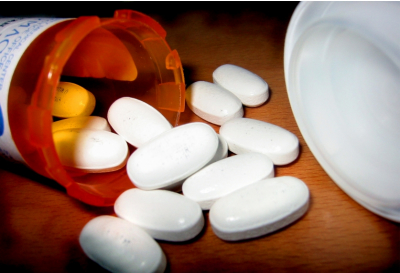
Like a breath of fresh air, the news that a combination prevention drug would soon hit the Nigerian market is definitely something to cheer about, given Nigeria’s high prevalence of HIV rate, which is said to be second only to South Africa in the African continent. WINIFRED OGBEBO reports.

It is like Sunday-Sunday malaria drugs. But in this case, you take HIV drug to prevent HIV and HIV negative people, says the Director-General, National Agency for the Control of AIDS (NACA), Prof John Idoko, explaining the new prevention treatment drug, pre- exposure Prophylaxis.

“From what we learnt from malaria for example, he explains further, “if we give the drugs to somebody who doesn’t have HIV, and the person has sexual relationship with an HIV positive partner, it can prevent transmission from the positive person to the person. That is why it’s called a pre- exposure prophylaxis because before exposure, the person has taken the drugs and because he has the drugs in him, the virus cannot infect him or her.”

Also, Idoko says, “ If you take this sero-discordant couples; one is positive and the other is negative, instead of giving the drug to the negative person before the sexual relationship, just put the positive one on drug as soon as you know. It doesn’t matter what his CD-4 count is even if it’s 500, just give him the drugs. It has shown clearly one of the best study results that we have seen, as 96 per cent chance of the person transmitting HIV is blocked. So we call that treatment as prevention. So you can now imagine that if you go to a community, and they are using this method, your chances of blocking transmission are very high. We believe that these are the two things we need to put together as part of our combination prevention method.”

The pre-exposure prophylaxis is the newest HIV prevention tool that has been developed. It involves the use of Truvada, an antiretroviral to prevent HIV infection. A few studies have shown the ability of this drug to prevent HIV infection in sero-discordant couples, MSMs, transgenders and in men and women.

Read the Rest.


------------------- *Join IRMA's robust, highly-active. moderated, global listserv addressing rectal microbicide research and advocacy as well as other interesting new HIV prevention technologies by contacting us at rectalmicro@gmail.com. Joining our listserv automatically makes you a member of IRMA - a network of more than 1,100 advocates, scientists, policy makers and funders from all over the world. *Please look for us on Facebook: www.facebook.com/InternationalRectalMicrobicideAdvocates, and you can follow us on Twitter: @rectalmicro. *Also, please note that shared news items from other sources posted on this blog do not necessarily mean IRMA has taken any position on the article's content. -------------------

Tuesday, May 29, 2012

FDA Hearing on Truvada as PrEP - Watch the Webcast!


On May 10, 2012 the FDA Antiviral Drug Advisory Committee strongly recommended that emtricitabine/tenofovir disoproxil fumarate (TDF/FTC or Truvada) be approved for use as pre-exposure prophylaxis (PrEP) among sexually active adult men and women – particularly gay men and other MSM, serodiscordant heterosexual couples, and other individuals at high risk. It is likely the FDA will follow the committee’s recommendations and issue a new prevention indication for the use of Truvada by mid June.

Watch the recorded webcast here.

Check out the slide presentations here.


-------------------

*Join IRMA's robust, highly-active. moderated, global listserv addressing rectal microbicide research and advocacy as well as other interesting new HIV prevention technologies by contacting us at rectalmicro@gmail.com. Joining our listserv automatically makes you a member of IRMA - a network of more than 1,100 advocates, scientists, policy makers and funders from all over the world. *Please look for us on Facebook: www.facebook.com/InternationalRectalMicrobicideAdvocates, and you can follow us on Twitter: @rectalmicro.

*Also, please note that shared news items from other sources posted on this blog do not necessarily mean IRMA has taken any position on the article's content.

-------------------

Wednesday, May 23, 2012

POZ: David Evans Gets Practical About PrEP

[IRMA highly recommends this one. Brilliant, strategic, thoughtful, sober, forward-thinking - a must read]

via POZ, by David Evans

Excerpt:
Give people the facts--the whole picture--and let them decide whether PrEP is right for them

Let's tell people how effective the drug is when they actually take it as prescribed--over 90 percent effective--and stop quoting statistics from the clinical trials where they averaged all of the people together whether or not they were actually taking the drugs. People are going to need motivation to adhere well to PrEP and telling them that it will only cut their chance of becoming infected by 42 percent (the iPrEx study) or 75 percent (Partners PrEP) is not only dishonest, it could significantly undercut their willingness to take a pill every day. How would people feel if we said that condoms were only 30 or 40 percent effective and never revealed that this figure is true only because we counted all of the people who never used condoms in the first place?

Let's also stress that in the clinical studies, PrEP was used with condoms, at least some of the time by some of the participants, and that it shouldn't be seen as a complete substitute. That said, the fear that people will forgo condoms for PrEP is a reasonable one. Therefore, I believe strongly that we should be targeting PrEP to those who are struggling most with condom use, for whatever reason.

Let's also emphasize that while side effects were rare, and not immediately serious in the vast majority of PrEP-takers in trials, we honestly don't know what long-term side effects will look like. People who ultimately end up taking PrEP for more than two years are entering new territory, as are people who might have greater underlying risks for kidney or bone disease.

PrEP is not benign, but neither is HIV; let's strive for balance and accuracy in describing both. We all have a responsibility to correct inaccurate information where we find it, whether in our community publications or blogs, local planning meetings or in our groups of friends. We can never know who's in most desperate need of PrEP and who might be swayed inappropriately one way or the other by misleading or cherry-picked information.
Read the rest.


-------------------

*Join IRMA's robust, highly-active. moderated, global listserv addressing rectal microbicide research and advocacy as well as other interesting new HIV prevention technologies by contacting us at rectalmicro@gmail.com. Joining our listserv automatically makes you a member of IRMA - a network of more than 1,100 advocates, scientists, policy makers and funders from all over the world.

*Please look for us on Facebook: www.facebook.com/InternationalRectalMicrobicideAdvocates, and you can follow us on Twitter: @rectalmicro.

*Also, please note that shared news items from other sources posted on this blog do not necessarily mean IRMA has taken any position on the article's content.

-------------------

Antiretroviral Prophylaxis for HIV Prevention Reaches a Key Milestone

via Lancet.com, by Salim S Abdool Karim  and Quarraisha Abdool Karim


On May 10, 2012, a US Food and Drug Administration (FDA) advisory committee voted in support of the use of tenofovir-emtricitabine for HIV prevention.1 If the FDA, which is scheduled to make its decision by June 15, adopts the committee's recommendations, tenofovir-emtricitabine will become the first antiretroviral drug to be approved as pre-exposure prophylaxis (PrEP) for the prevention of HIV, paving the way for implementation.

PrEP has a unique advantage in young women in southern Africa, who bear a disproportionate burden of the HIV epidemic. In much of this region, young women are often unable to convince their male partners to use condoms, remain faithful, or have an HIV test. To rely on her HIV- positive discordant male partner to come forward to test, to agree to take antiretroviral therapy (ART), and to take his ART with high adherence, all for her protection, puts a woman's risk of acquiring HIV back in the hands of men, thereby disempowering women and undermining their efforts to control their risk of HIV.

However, there are several criticisms and concerns about PrEP. First, that data on the effectiveness of PrEP, especially in women, are inconsistent. This concern is based on the results of two PrEP studies—the FEM-PrEP2 and VOICE3, 4 trials—which were stopped, at least partly, earlier than planned when they did not show efficacy. To some extent, this concern has been allayed by recent data from the FEM-PrEP trial5 which show that adherence to daily tenofovir-emtricitabine in the trial was too low allow assessment of efficacy. Data to explain the VOICE trial, which still has an ongoing tenofovir-emtricitabine group, are not expected until 2013.

Second, some suggest that antiretroviral drugs should be provided to HIV-negative people only when all eligible HIV-positive patients are receiving ART. Although it is a legitimate concern that eligible HIV-positive patients should be prioritised for ART for their own health and to save their lives, it is spurious to trade off treatment and prevention as if these drugs are being taken away from sick and dying patients to be given to healthy people. Treatment and prevention strategies are a continuum in their use of antiretroviral drugs—both are needed in conjunction with each other to ensure ART provision is sustainable in the long term and to realise the quest to end the HIV epidemic.

Read the Rest.


-------------------
 
*Join IRMA's robust, highly-active. moderated, global listserv addressing rectal microbicide research and advocacy as well as other interesting new HIV prevention technologies by contacting us at rectalmicro@gmail.com. Joining our listserv automatically makes you a member of IRMA - a network of more than 1,100 advocates, scientists, policy makers and funders from all over the world.
 
*Also, please note that shared news items from other sources posted on this blog do not necessarily mean IRMA has taken any position on the article's content.
 
-------------------

Tuesday, May 22, 2012

aidsmap: NICE says sperm washing is no safer than effective treatment and timed intercourse

via aidsmap.com, by Roger Pebody

Draft UK guidance on fertility treatment says that sperm washing may no longer be necessary for couples where the man has HIV and the woman does not. As long as the man is on effective antiretroviral treatment and unprotected sex is limited to days when his partner is ovulating, “sperm washing may not further reduce the risk of infection.”

On the other hand, the guidance does not support the use of pre-exposure prophylaxis (PrEP) by the HIV-negative partner.

The National Institute for Health and Clinical Excellence (NICE) is an influential body which issues recommendations to the NHS about the most effective and cost-effective treatments to provide. Their draft guidance on fertility treatments – an update to a document previously issued in 2004 - was issued today and is open for consultation.

As in the previous version, people with HIV are not excluded from access to fertility treatments, such as intrauterine insemination (IUI) or in vitro fertilisation (IVF). Moreover the authors have removed a previous recommendation that the implications of the parent’s HIV infection for the child’s welfare “should be taken into account”.

The writing group reviewed in detail the scientific evidence for different methods that a couple could use to become pregnant, where the man has HIV and the woman does not. Previous guidance recommended sperm washing, but the experts also looked at the evidence for effective antiretroviral treatment and for pre-exposure prophylaxis.

“The evidence showed that whilst sperm washing did not appear to completely eliminate the virus in the semen on the basis of post-wash testing of prepared semen, the procedure appears to be very effective in reducing viral transmission in that no cases of seroconversion of the woman or the baby has been documented,” they found.

Read the Rest.


-------------------

*Join IRMA's robust, highly-active. moderated, global listserv addressing rectal microbicide research and advocacy as well as other interesting new HIV prevention technologies by contacting us at rectalmicro@gmail.com. Joining our listserv automatically makes you a member of IRMA - a network of more than 1,100 advocates, scientists, policy makers and funders from all over the world.

*Also, please note that shared news items from other sources posted on this blog do not necessarily mean IRMA has taken any position on the article's content.

-------------------

Friday, May 11, 2012

Many HIV/AIDS Advocates Support the FDA to Approve PrEP for HIV Prevention

via PRNewswire

In public comments submitted this week, a group of 14 leading HIV/AIDS and health organizations stated their support for Food and Drug Administration (FDA) approval of emtricitabine/ tenofovir disoproxil fumarate (TDF/FTC or Truvada®) as pre-exposure prophylaxis (PrEP) to prevent HIV infection in adult men and women. Their comments, submitted in advance of a May 10 FDA Advisory Committee meeting, pointed to compelling evidence on the efficacy of TDF/FTC as PrEP and highlighted the unique potential of this intervention to help slow the HIV epidemic in the U.S.

With PrEP, HIV-negative individuals who are at risk for HIV take anti-HIV medications in order to reduce their chances of becoming infected if exposed to the virus. At the May 10 hearing, the FDA will consider data from clinical trials showing that TDF/FTC reduced the risk of sexual transmission of HIV in populations including men who have sex with men (MSM) and heterosexual women and men.

"The U.S. and international AIDS community overwhelmingly supports FDA's priority review of this potentially game-changing new tool to prevent HIV," said Mitchell Warren, executive director of AVAC. "The evidence is increasingly clear that daily PrEP can help reduce HIV risk in women and men who take it consistently as prescribed. While no single tool will be enough to stop the spread of HIV, PrEP could be a vital part of a comprehensive, global strategy to end the AIDS epidemic."

Despite some progress in reducing HIV incidence using other available methods, approximately 50,000 people become newly infected with HIV every year in the United States, and 2.6 million people were newly infected with HIV worldwide in 2010. Globally, half of all people infected with HIV are women and girls. In the United States, HIV infection continues to take a disproportionate toll on African Americans and Latinos; MSM, including transgender individuals; and the poor. Driving down HIV infection rates is a primary objective of the U.S. National HIV/AIDS Strategy, and is at the core of global efforts to end the AIDS epidemic.

Read the Rest.


-------------------

*Join IRMA's robust, highly-active. moderated, global listserv addressing rectal microbicide research and advocacy as well as other interesting new HIV prevention technologies by contacting us at rectalmicro@gmail.com. Joining our listserv automatically makes you a member of IRMA - a network of more than 1,100 advocates, scientists, policy makers and funders from all over the world.

*Also, please note that shared news items from other sources posted on this blog do not necessarily mean IRMA has taken any position on the article's content.

 -------------------

Thursday, May 10, 2012

The FDA Evalutes the Decision on PrEP for HIV Prevention

via The New York Times, Denis Grady

An advisory panel to the Food and Drug Administration is expected to vote Thursday on whether a drug already used to treat H.I.V. infection should also be approved to prevent it. Such a recommendation, if made, would mark the first time that government advisers have advocated giving antiviral medicine to healthy people who might be exposed through sexual activity to the virus that causes AIDS.

Studies have shown that people who take the medicine, Truvada, every day have a greatly reduced risk of infection.

The F.D.A. usually accepts the advice of its advisory panels, which are made up of outside experts, mostly from medical schools.

On Thursday morning, the panel evaluated studies of the once-a-day pill and heard scientific presentations about whether Truvada should be prescribed for people at high risk of infection, like gay men who have multiple sex partners, especially those who do not always use condoms, and people in relationships with someone who is H.I.V.-positive. Young black men who have sex with other men are at highest risk.

The drug is meant not to replace condoms and other safe-sex measures, but to be used with them for added protection.

Experts say better methods of prevention are needed because there are 50,000 new H.I.V. infections a year in the United States. Several speakers emphasized on Thursday that that number had not budged in 15 to 20 years. Counseling and condoms are not doing the job, they said, and many of the newly infected are men whose sexual partners do not realize they are H.I.V.-positive.

Read the Rest.


------------------- *Join IRMA's robust, highly-active. moderated, global listserv addressing rectal microbicide research and advocacy as well as other interesting new HIV prevention technologies by contacting us at rectalmicro@gmail.com. Joining our listserv automatically makes you a member of IRMA - a network of more than 1,100 advocates, scientists, policy makers and funders from all over the world. *Also, please note that shared news items from other sources posted on this blog do not necessarily mean IRMA has taken any position on the article's content. -------------------

Thursday, May 3, 2012

MSM Population in Bejing Express Interest in PrEP

via AIDSmap.com, by Micheal Carter

Few gay and other men who have sex with men (MSM) in Beijing have heard of pre-exposure prophylaxis (PrEP), investigators report in PLoS One. Despite this, over two-thirds of men said that they would be willing to take or consider PrEP.

“To our knowledge this is the first study to assess awareness and acceptability of PrEP among MSM in China,” write the authors. “Awareness of PrEP was rather low…however, 68% reported that they were definitely or probably willing to accept PrEP if available.”

The study was carried out in 2009 and 2010 prior to release of results from the IPrEX study, an international trial which showed that pre-exposure prophylaxis with oral Truvada (tenofovir/FTC) reduced the risk of HIV infection in men who have sex with men.

PrEP is considered a promising area of HIV prevention, but the factors associated with willingness to accept PrEP, adherence and the treatment’s impact on sexual risk behaviour are poorly understood.

Most of the research evaluating PrEP acceptability has been conducted in the US and other western countries. There are an estimated 740,000 HIV-positive people in China and, in recent years, prevalence of the infection has increased substantially among gay and other MSM. PrEP could therefore provide a useful prevention intervention for this population.

Investigators from Beijing wanted to establish awareness and acceptability of PrEP among gay and other MSM in the Chinese capital.

They designed a study involving 152 men who were tested for HIV and syphilis in 2009 and 2010. All the men reported sexual activity with another man. An explanation of PrEP was read to the men and they were asked if they had ever heard of this prevention technology. Further details of the therapy – including the need for high levels of adherence and potential side-effects – were then read to the study participants, who were asked if they would be willing to accept the treatment.

Read the Rest.

 
[If an item is not written by an IRMA member, it should not be construed that IRMA has taken a position on the article's content, whether in support or in opposition.]

Thursday, March 8, 2012

Two Studies Show the Importance of Adherence in PrEP at CROI 2012

via AidsMap.com, by Gus Cairnes

Adherence makes all the difference to the efficacy of pre-exposure prophylaxis (PrEP), the 19th Conference on Retroviruses and Opportunistic Infections (CROI) heard today.

Further data were presented from two trials of PrEP (giving anti-HIV drugs to HIV-negative people to prevent infection), which announced dramatically different results last year.

In April 2011, the FEM-PrEP study found that giving HIV-negative women tenofovir/FTC (Truvada) pills to prevent their acquiring HIV was totally ineffective: there was no difference in HIV incidence between women taking Truvada and women taking placebo.

In July 2011, however, the Partners PrEP study found that Truvada was 73% effective in preventing HIV transmission between heterosexual partners of different HIV status.

How do we explain why giving HIV-negative women antiretroviral pills made no difference to the HIV infection rate in one trial, but prevented at least two in every three infections in the other? The difference, it appears, is that in the Partners PrEP trial, adherence to the study medication was very high, whereas in FEM-PrEP, despite counselling and support, less than half the women took their PrEP pills regularly.

The Partners PrEP study

The Partners PrEP study enrolled 4758 serodiscordant couples in Kenya and Uganda; the HIV-negative partner was female in 38% of couples. This study had three arms: a daily tenofovir pill, a daily Truvada pill, or placebo.

There were 17 infections in participants on tenofovir, 13 on Truvada and 52 on placebo. Efficacy overall was 75% in those assigned Truvada and 67% in those assigned tenofovir, though confidence intervals (44% to 81% in tenofovir and 55% to 87% for Truvada) overlapped, so the efficacy of the two regimens was the same statistically. The same was true of efficacy observed in women (65%) and men (70.5%).

Adherence according to pill counts of unused medication was 97%. A substudy (Donnell) compared tenofovir levels in the blood of 29 out of the 30 people who became infected in the two PrEP arms with levels in a random selection of 198 people who did not become infected.

Tenofovir was undetectable in the blood of 70% of the people who became infected but only 18% of the people who did not, indicating a ‘true’ adherence level of about 80% – and having a detectable level of tenofovir in the blood was associated with an 86% reduction in HIV risk in those taking tenofovir and a 90% reduction in those on Truvada.

The FEM-PrEP study

In the FEM-PrEP study, 2056 HIV-negative women in South Africa, Kenya and Tanzania were randomised to take a daily Truvada pill or a placebo. The trial was stopped when an interim analysis found near-identical HIV infection rates in both trial arms. There were 33 HIV infections in women taking Truvada and 35 in women taking placebo; this translates into annual incidence rates of 4.7% and 5.0% respectively. This 0.3% difference is no difference at all, statistically speaking (hazard ratio 0.94, 95% confidence interval 0.59 to 1.52, p = 0.81).

Participants in the study said they took their pills 95% of the time and adherence as measured by pill count was 85%. However when drug levels of tenofovir and FTC were measured in the blood of women assigned to Truvada, the investigators found that less than 50% of the women who should have been taking the drug had actually done so in the last 12 days, and less than 40% within the last 48 hours.

In infected participants, 26% had detectable levels of tenofovir in their blood in the last visit before they tested HIV positive, 21% at the visit they tested positive, and 15% at both visits; in non-infected participants whose samples were taken at the same visits they were 35%, 38% and 26% respectively.

Read the Rest.


[If an item is not written by an IRMA member, it should not be construed that IRMA has taken a position on the article's content, whether in support or in opposition.]

Thursday, February 23, 2012

Fenway Releases PrEP Policy Paper

viaFenway Health


Pre-exposure chemoprophylaxis (PrEP)—taking antiretroviral medications to prevent HIV transmission—could be a “game changer” for HIV prevention. PrEP has demonstrated partial efficacy with men who have sex with men (MSM), transgender women, and heterosexuals in several recent studies. Recent modeling of PrEP implementation coupled with scaled up treatment predicts that PrEP could significantly reduce HIV incidence and prevalence. And if PrEP is accompanied by sustained care, behavioral interventions, and safety monitoring, PrEP need not lead to increased sexual risk behavior or drug resistance.

The latest Policy Focus from The Fenway Insitute summarizes the state of PrEP and microbicides research as of January 2012, looks at willingness to use PrEP among various populations, addresses concerns about PrEP that could present obstacles to implementation, offers strategies for effective implementation, and examines policy issues related to cost and how to make PrEP accessible to those most vulnerable to HIV.

The Fenway Institute’s analysis found that the most effective prevention interventions will be those that combine behavioral interventions, structural interventions, and emerging biomedical technologies, such as PrEP and microbicides. The analysis concludes with recommendations for implementation of PrEP, including:
■If the U.S. Food and Drug Administration (FDA), which is considering approving FTC-TDF for use as PrEP, feels that research on PrEP’s efficacy among heterosexuals is inconclusive, it should consider approving PrEP for MSM now separately and consider heterosexuals, IDUs and other populations in the near future as the science advances;

■The World Health Organization (WHO) should issue guidance on PrEP that takes into account the promising results of the iPrEx study, Partners PrEP, and the Botswana CDC study;

■Following the release of the Bangkok injection drug user (IDU) trial results, if appropriate the U.S. Centers for Disease Control and Prevention, the U.S. Public Health Service, and the WHO should issue guidance for PrEP with IDUs.;

■States should provide access to PrEP as a critical prevention service and prescription medication under the Essential Health Benefits provision of the Affordable Care Act;

■State Medicaid programs should also cover PrEP as a cost-saving measure that will improve public health and ultimately save money in health care costs;

■Provision of PrEP to MSM and transgender women should occur in a broader context of ensuring clinically competent health care to gay, lesbian, bisexual and transgender people.

Read the Full Report.


[If an item is not written by an IRMA member, it should not be construed that IRMA has taken a position on the article's content, whether in support or in opposition.]

Wednesday, October 19, 2011

HIV/AIDS Organizations Tell FDA and Gilead Sciences: Don’t Delay HIV Prevention for Gay and Bisexual Men and Transgender Women

[Press Release - October 18, 2011]

Thirteen prominent U.S. HIV/AIDS organizations have issued an open letter to the U.S. Food and Drug Administration and Gilead Sciences calling for prompt regulatory review of pre-exposure prophylaxis (PrEP) for HIV prevention in gay and bisexual men and transgender women (men who have sex with men, or MSM). The letter urges FDA and Gilead to start the review process that could allow safe and appropriate approved PrEP use as a public health intervention, and not to delay review because of distinct questions about the safety and efficacy of PrEP in heterosexual populations.

[The letter is available online here. IRMA is a signatory.]

Pre-exposure prophylaxis, or PrEP, is a new HIV prevention method in which an uninfected person takes a daily HIV medication to reduce HIV infection risk. Data from an international study released in November, 2010 called iPrEx found that men and transgender women who have sex with men who received a daily single-tablet dose of the HIV drugs tenofovir and emtricitabine along with condoms and safe sex counseling had an average of 42% fewer HIV infections than those who received condoms and counseling alone.

Advocates assert that the need for new HIV prevention strategies for MSM is urgent. The U.S. Centers for Disease Control (CDC) estimates that MSM account for more than half of all new HIV infections in the United States. CDC logged an estimated 34% increase in HIV infections in young gay men between 2006 and 2009, and a 48% HIV increase among young black/African American gay men over the same period.

“We desperately need new strategies and tools to reduce the rapidly increasing rates of HIV infection in black gay and bisexual men,” said Phill Wilson, executive director of the Black AIDS Institute. “We’ve had evidence of PrEP’s effectiveness in MSM for almost a year now. It’s time to use every tool at our disposal to reduce the 50,000 new HIV infections that occur each year in this country. Prompt FDA review will help ensure that appropriate guidelines for PrEP use are established that can reduce HIV infections and safeguard public health.”

Data on PrEP in heterosexuals raise important but unique questions that may require further study. Two major trials in Africa found that PrEP reduces HIV infection risk in heterosexual men and women substantially. But two other studies present conflicting information about how PrEP works in heterosexuals. Critical and necessary efforts to understand how PrEP interacts with hormonal contraception, or how PrEP may impact pregnancy, however, should not delay access to a potentially lifesaving form of HIV prevention for MSM.

Before the results of the heterosexual PrEP studies were announced, the FDA and Gilead Sciences, the maker of the drugs, were reported to be ready to move quickly to consider approval of PrEP for those MSM who could benefit from the approach. Recent signs indicate, however, that FDA review of PrEP for this population may not start until the agency acquires more data on PrEP among heterosexuals—despite the urgent need for new HIV prevention strategies for MSM, and the fact that PrEP data in MSM were announced nearly one year ago.

“The FDA and Gilead Sciences should move quickly to ensure a thorough review of PrEP for MSM now, while they both work simultaneously and swiftly to thoroughly address questions and concerns about PrEP among heterosexual populations,” said Mitchell Warren, executive director of AVAC “Prompt FDA review of PrEP in MSM is the right thing to do for public health. In the midst of a growing HIV epidemic, HIV prevention delayed is HIV prevention denied.”


[If an item is not written by an IRMA member, it should not be construed that IRMA has taken a position on the article's content, whether in support or in opposition.]

Thursday, September 15, 2011

Open Letter from HIV-Positive Prevention Advocates Rejects Misinformation about PrEP

Close to 100 openly HIV-positive gay and bisexual men from across the United States and around the world have signed a new letter (http://tinyurl.com/pozPrEPletter) calling for an open discussion, “based on facts rather than on fear or misinformation,” of the challenges and opportunities presented by pre-exposure prophylaxis (PrEP) for HIV prevention in gay and bisexual men and transgender women. The new open letter is designed in part to urge FDA review of PrEP and to clarify facts about important PrEP research that advocates say have been misrepresented in a paid ad campaign sponsored by the AIDS Healthcare Foundation (AHF).

Pre-exposure prophylaxis, or PrEP, is a new HIV prevention method in which an uninfected person takes a daily HIV medication to reduce HIV infection risk. Data from an international study released in November, 2010 called iPrEx found that men and transgender women who have sex with men who received a daily single-tablet dose of the HIV drugs tenofovir and emtricitabine along with condoms and safe sex counseling had an average of 42% fewer HIV infections than those who received condoms and counseling alone. Much higher rates of protection were achieved among participants who took PrEP consistently.

Most of the HIV prevention community welcomed the news of a new tool that could significantly reduce infections in the populations at highest risk for HIV in many parts of the world. One HIV treatment provider, however, the AIDS Healthcare Foundation, has taken out an extensive series of full-page advertisements in gay papers around the country claiming that gay and bisexual men will act recklessly and will spread HIV if they are allowed to use PrEP. The AHF ad campaign claims that it is supporting gay and bisexual health by urging the U.S. FDA to ignore the PrEP study.

Today’s open letter challenges both the tone and content of the AHF communications and encourages “a full and factual discussion of the pros and cons of PrEP... based on facts, not misinformation.” Reminding the world that “gay and bisexual men invented safer sex…and have worked tirelessly to prevent new HIV infections,” the letter also points out that gay and bisexual men account for more than half of new HIV infections in the United States and are in particular need of new HIV prevention approaches.

"As an HIV positive gay man I signed this letter because I learned from experience we need all credible options to stop this epidemic. I owe my life to the fact that advocates and activists have pushed hard for decades to make effective AIDS drugs available to HIV-positive people,” said Kali Lindsey.  “Now we know that AIDS drugs can also play an important role in the health and well-being of HIV-negative gay men, how could we not move forward to reap the benefits of this research. It is not an option to ignore these findings.”

In July of this year the results of two addition studies, Partners PrEP (led by the University of Washington Department of Global Health) and TDF2 (led by the U.S. Centers for Disease Control and Prevention) demonstrated that PrEP is also safe and effective in heterosexual women and men. The Partners study found that participants who received PrEP experienced an average of 62-73% fewer HIV infections than those who received placebo. The TDF2 trial, conducted by the U.S. Centers for Disease Control found that the risk of HIV infection dropped by an average of 63% among those who received PrEP in addition to condoms and counseling. Data expected from the FEM-PrEP trial, which was stopped in April after it was determined that the trial would not be able to provide an efficacy result, will also provide additional information about PrEP use among women.

The new letter acknowledges that the PrEP, “is no magic solution to the HIV crisis,” and that research, “raises important questions…includ(ing) how to best support regular PrEP use; how to ensure the continued use of condoms and other precautions for those who decide to take PrEP; how to target PrEP to those who will benefit most; and how to pay for this new HIV prevention tool.”  Its signers express their commitment “to promoting safer sex and the open exchange of accurate information on HIV prevention,” and to “clarify the facts about PrEP, open up community discussion and make clear our belief that we are entitled to respect, accurate information and new HIV prevention tools.” The letter concludes by calling on all interested parties to “get the facts about PrEP, seek information, and express opinions…but to do so based on real information, not fear of the scientific process or prejudice against gay/bi men.”

The letter was coordinated by a group of U.S.-based AIDS advocacy organizations, including AIDS Foundation of Chicago, AVAC, International Rectal Microbicide Advocates (IRMA), and Project Inform.

Openly HIV-positive gay and bisexual men who wish to add their name to the letter can do so at: http://tinyurl.com/pozPrEPletter.


[If an item is not written by an IRMA member, it should not be construed that IRMA has taken a position on the article's content, whether in support or in opposition.]

Wednesday, August 17, 2011

IRMA and AIDS Leaders Press Feds for Action on Promising New Prevention Tool

Just months after an AIDS drug demonstrated reasonable efficacy in preventing HIV infection in controlled clinical trials, seven leading AIDS organizations are urging the U.S. government to act quickly to determine if the results could translate to the real world.   Today, at an HIV prevention meeting hosted by the U.S. Centers for Disease Control and Prevention (CDC), the coalition of AIDS advocates called on officials from the U.S. Department of Health and Human Services (HHS) to address the shortage of funding and coordination around a new prevention approach known as pre-exposure prophylaxis (PrEP).

“HIV estimates released by the CDC two weeks ago—showing that new HIV infections have risen nearly 50 percent in young black gay men since 2006—make it clear that the status quo is failing to keep the epidemic in check,” said David Evans, director of research advocacy at Project Inform. “PrEP could be one of the more promising new options we have to offer young HIV-negative gay men at the highest risk of infection in the U.S., but until we expand PrEP programs in real-world settings we won’t be able to translate the trial results into public health impact.”

PrEP involves HIV-negative people taking antiretroviral medication before exposure to the virus to prevent infection.  Three clinical trials have demonstrated that when used consistently, PrEP is both safe and effective at preventing HIV infection, but it’s unknown if and how results apply outside of clinical trials.  Activists are urging the U.S. government to move quickly to fund and coordinate demonstration projects to evaluate PrEP in the real word and determine the best ways to use it.

“We are at a pivotal moment in HIV prevention, and what happens next hinges on a swift, coordinated effort to understand how PrEP can be used effectively by people at highest risk for infection,” said Dr. Judy Auerbach, vice president of research and evaluation at San Francisco AIDS Foundation.  “If we do too little, or the demonstration projects aren’t properly designed, there’s a real danger that we could lose the promise of one of the most important scientific breakthroughs in HIV prevention.”

Two PrEP demonstration projects are near launch, and others are under discussion, but funding remains uncertain and participating medical providers and institutions are not being coordinated. The groups issuing the call to action request that HHS respond rapidly to ensure that coordination takes place and that the projects with the highest likelihood of answering key research questions are fully funded.  These questions include the feasibility, desirability, uptake, and effectiveness of PrEP in different settings, among others.

“We cannot be content with budget constraints and calls to do more with less,” said Mitchell Warren, AVAC executive director. “Science has given us new ways to potentially significantly blunt the epidemic in the U.S. and around the world. We have an obligation to push to find the best ways to use antiretroviral drugs as prevention – both for HIV-positive people to reduce their risk of passing on HIV to others and for HIV-negative people to protect themselves. The U.S. government and other funders must move quickly to ensure the availability of resources for the essential next steps for PrEP, including demonstration projects and continued research.”

The call to action was issued by Project Inform, along with the AIDS Foundation of Chicago, AIDS United, amfAR: the Foundation for AIDS Research, AVAC: Global Advocacy for HIV Prevention, the Black AIDS Institute, the International Rectal Microbicide Advocates, National Alliance of State & Territorial AIDS Directors, the National Minority AIDS Council and the San Francisco AIDS Foundation.  It’s accompanied by a report called “PrEP: Roadmap to the Real World,” in which advocates detail key questions to be answered in demonstration projects.


[If an item is not written by an IRMA member, it should not be construed that IRMA has taken a position on the article's content, whether in support or in opposition.]

Wednesday, July 13, 2011

Two studies show that drugs used to treat AIDS can be used to prevent HIV infection, too

[THIS IS HUGE!]

via Washington Post, by David Brown

Two new studies done in three African countries have shown for the first time that AIDS drugs taken daily can cut by more than half a person’s chance of becoming infected with HIV through heterosexual intercourse.


The results, announced early Wednesday, provide more evidence that the drugs responsible for saving the lives of millions of HIV-infected people over the last 15 years may also be the most useful tool for preventing new infections.

Read the rest.

[If an item is not written by an IRMA member, it should not be construed that IRMA has taken a position on the article's content, whether in support or in opposition.]

Saturday, July 9, 2011

Project Inform Reports: Financing Recommendations for PrEP

Project Inform recently released a report titled Financing and Delivery Mechanisms to Increase Pre-Exposure Prophylaxis (PrEP) Access in Populations at High-Risk of HIV Infection. Available here, the report discusses issues related to financing for PrEP to ensure that it becomes a viable, accessible prevention method for MSM. Here as an excerpt from the executive summary of the report:

One promising new HIV prevention strategy is the use of ARVs as pre-exposure prophylaxis (PrEP) among high-risk men who have sex with men (MSM). Several clinical and cost-effectiveness studies demonstrate that PrEP has the potential to reduce HIV infection rates for high-risk MSM in a cost-effective way. However, policymakers continue to face questions regarding how to improve drug adherence, offer services to the most high-risk individuals including African-American and Latino MSM and transgender women, and ensure that adequate financing mechanisms are in place to pay for the many biomedical and behavioral components of PrEP.

Policymakers seeking to increase PrEP access must further contend with the current political reality of constrained financial resources for public health assistance, including for state Medicaid programs and for HIV prevention programs that serve individuals at high-risk of HIV infection. Strategic opportunities for financing and delivery still exist, but numerous public and private sources will need to be mobilized for PrEP to reduce HIV infections in significant numbers.

Key financing and delivery opportunities include Gilead’s application for FDA approval of a prevention label for Truvada; National Institutes of Health (NIH) and Centers for Disease Control (CDC) funding for demonstration projects in San Francisco, Boston, and other U.S. cities; private and public health insurance coverage for PrEP; a Gilead-funded Patient Financing and Delivery Mechanisms to Increase PrEP Access 5 Assistance Program to help low-income patients pay for PrEP; and opening the PrEP drug market to non-Truvada PrEP formulations. Given that new clinical and cost evidence for PrEP is expected to arrive from a variety of studies and projects in the coming years, policymakers will need to adapt their implementation of PrEP accordingly.

Policy Recommendations:
The recommendations in this report are designed to help HIV policymakers and advocates like Project Inform improve PrEP access in a manner that is clinically effective, cost-appropriate, and politically feasible in line with existing research and evidence.

Consequently, this report recommends the following:
          1.) Support Gilead’s request for FDA approval of a prevention label for Truvada
          2.) Encourage the NIH and CDC to finance demonstration projects
          3.) Ensure public insurance coverage for PrEP through state Medicaid programs
          4.) Ensure private insurance coverage for PrEP
          5.) Advocate that Gilead develop a Patient Assistance Program (PAP) for PrEP
          6.) Encourage non-Truvada PrEP formulations and promote price breaks for Truvada
          7.) Promote PrEP in tandem with other combination approaches to HIV prevention

[If an item is not written by an IRMA member, it should not be construed that IRMA has taken a position on the article's content, whether in support or in opposition.]

Thursday, June 30, 2011

If you're HIV positive, safe sex isn't just about condoms

Via The Guardian, by Deborah Jack.

As the HIV epidemic has evolved over three decades, the "just use a condom" message has remained the cornerstone of prevention. But stubbornly high levels of new HIV infections in the UK show we've struggled to always translate this simple message into real life.

Most monogamous couples will decide to stop using condoms at some point, but what if one half of the couple is HIV positive? Until recently, it has been assumed there is no safe option other than condoms for life. But new research into the preventive benefits of HIV treatment (antiretroviral therapy) is set to change this, and could potentially revolutionise the way we think about HIV prevention and safer sex advice.

HIV treatment works by reducing the level of HIV in the body (the viral load) to such an extent that a person's infectiousness is almost zero (clinically referred to as "undetectable"). A big effect of this – in addition to keeping the person healthy – is that the risk of transmitting HIV to another person is dramatically reduced.

Last month we heard the conclusive results of the first global study into HIV "treatment as prevention" – a 96% reduction in transmission risk when the HIV-positive partner received treatment and responded effectively. When put into practice, this means people living with HIV who are on treatment can, like everyone else, consider giving up condoms when their relationship is committed and monogamous.

But before we get carried away, it is not time to throw away our condoms altogether. They are still the best protection against other sexually transmitted infections, so any couple wanting to rely on treatment rather than condoms to prevent HIV transmission must be confident they are both STI free and monogamous. Other STIs in the body can make HIV levels spike upwards, which seriously compromises the effects of treatment as prevention and significantly increases risk of transmission.

Read the rest here.

[If an item is not written by an IRMA member, it should not be construed that IRMA has taken a position on the article's content, whether in support or in opposition.]

Tuesday, May 3, 2011

Factors Influencing the Emergence and Spread of HIV Drug Resistance Arising from Rollout of Antiretroviral Pre-Exposure Prophylaxis (PrEP)

via PLoS One, by Abbas UL, Hood G, Wetzel AW, Mellors JW

Abstract

Background

The potential for emergence and spread of HIV drug resistance from rollout of antiretroviral (ARV) pre-exposure prophylaxis (PrEP) is an important public health concern. We investigated determinants of HIV drug resistance prevalence after PrEP implementation through mathematical modeling.

Methodology

A model incorporating heterogeneity in age, gender, sexual activity, HIV infection status, stage of disease, PrEP coverage/discontinuation, and HIV drug susceptibility, was designed to simulate the impact of PrEP on HIV prevention and drug resistance in a sub-Saharan epidemic.

Principal Findings

Analyses suggest that the prevalence of HIV drug resistance is influenced most by the extent and duration of inadvertent PrEP use in individuals already infected with HIV. Other key factors affecting drug resistance prevalence include the persistence time of transmitted resistance and the duration of inadvertent PrEP use in individuals who become infected on PrEP. From uncertainty analysis, the median overall prevalence of drug resistance at 10 years was predicted to be 9.2% (interquartile range 6.9%–12.2%). An optimistic scenario of 75% PrEP efficacy, 60% coverage of the susceptible population, and 5% inadvertent PrEP use predicts a rise in HIV drug resistance prevalence to only 2.5% after 10 years. By contrast, in a pessimistic scenario of 25% PrEP efficacy, 15% population coverage, and 25% inadvertent PrEP use, resistance prevalence increased to over 40%.

Conclusions

Inadvertent PrEP use in previously-infected individuals is the major determinant of HIV drug resistance prevalence arising from PrEP. Both the rate and duration of inadvertent PrEP use are key factors. PrEP rollout programs should include routine monitoring of HIV infection status to limit the spread of drug resistance.

Read the full text.


[If an item is not written by an IRMA member, it should not be construed that IRMA has taken a position on the article's content, whether in support or in opposition.]

Monday, May 2, 2011

HIV PrEP Explained: Critical Prevention Opportunity

via AIDS Treatment News, by John S. James

This is a superb description of the iPrEx trial, with a smart analysis of it's implications. A must-read.

Excerpt:
Why did so many of the study participants not take the Truvada?

No one knows for sure at this time. But something unusual and unexpected happened in this study. This clinical trial took place at 11 sites in 6 countries -- with two of the 11 sites in the United States (Boston and San Francisco -- with 113 U.S. participants on Truvada, 114 on placebo). And adherence at the U.S. sites was much better than at the non-U.S. sites -- 97% among all the U.S. participants, considered extremely good, compared to far less overall. The "44% effective" headline just averages these very different situations.

We know of three theories about this difference: (1) The U.S. participants were about 10 years older on the average (though this would hardly explain the huge adherence differences observed); (2) Many of the non-U.S. participants were living at home and probably not “out” to their families, so they would have needed to conceal their participation in the study, making adherence difficult; or (3) Boston and San Francisco have excellent HIV treatment access, perhaps the best in the U.S., while in many countries most people with HIV are dying with no treatment at all. So trial participants may have given or sold their pills to someone with immediate need.

We think that the latter is most likely.

Whatever the reason, the excellent U.S. adherence shows that people can use the drug properly for prevention. And in the future, patients will know that they are getting the active drug (not a placebo), and that it has been proven to work -- both of which should boost adherence. Researchers need to find out what went wrong at some of the sites, and learn how fix it.

But the bottom line is that we do have proof of principle that Truvada prophylaxis can work in high-risk gay men, and prevent close to 100% of the HIV infections that would otherwise occur.

Read the rest.

[If an item is not written by an IRMA member, it should not be construed that IRMA has taken a position on the article's content, whether in support or in opposition.]

Wednesday, April 20, 2011

WSJ: Trial Halted on HIV Pill for Women

[of interest: "There is research, as yet unpublished, showing that the concentration of tenofovir, when taken orally, is higher in rectal tissue than in vaginal tissue, said Timothy Mastro, an FHI vice president who spoke on behalf of the study. If so, the men might have had more of the drug than the women at the site where they were exposed to the virus."]

via Wall Street Journal, by Mark Schoofs

A highly anticipated trial to determine whether AIDS drugs taken by mouth can ward off HIV infection in women has been stopped early, a setback that surprised researchers after a string of successes in preventing transmission of the disease.

Researchers said Monday they had called off the trial among high-risk women in Africa because they wouldn't be able to determine whether use of antiretroviral medication produced any benefit. The study tested whether taking the medication once a day could prevent uninfected women from contracting the AIDS virus, estimated to infect more than 2.5 million people each year.

Several researchers lamented the result as "disappointing" and surprising. The same prevention method was proved successful just last year in a multicountry trial among gay and bisexual men. Moreover, an AIDS drug applied to the vagina in a topical gel—rather than swallowed as a pill—demonstrated a protective effect last year among women.

Researchers speculated that participants in the most recent trial might not have adhered to the regimen as closely as the participants in the other trials. Physiological differences between men and women might also account for the differences between this trial and the one among gay and bisexual men.

But a particularly intriguing hypothesis, supported by other research, is that swallowing a pill might not lead to high enough drug concentrations at the site where HIV enters a woman: in the tissues of the vagina.

In another surprise finding, women in the study taking the antiretroviral medication were more likely to get pregnant than women taking a placebo. This was true despite the fact that 96% of women in the study were on oral or injectable contraceptives when the study began.

There is no known interaction between the antiretroviral drugs and hormone contraceptives, said researchers. They said they would analyze their data to try to tease out if there might be such an interaction.

The randomized, placebo-controlled trial, called FEM-PrEP, was carried out among 1,951 women in South Africa, Kenya, and Tanzania by FHI, a non-profit health and development organization, with about $23 million in funding from the United States Agency for International Development and about $3 million from the Bill and Melinda Gates Foundation.

Approximately half the women were given Truvada, a pill that combines two antiretroviral medications, tenofovir and emtricitabine; the other half were given a placebo. Fifty-six infections occurred overall, with half among women taking a placebo and half among women taking the active drug.

Truvada is marketed world-wide by Gilead Sciences Inc., based in Foster City, Calif. In a statement Monday, the company said, "While this development is a disappointing one, Gilead believes that antiretroviral therapies remain a promising potential HIV prevention strategy."

Clinical trials are typically reviewed at regularly scheduled intervals by an independent committee. Such a committee decided that, statistically, the FEM-PrEP trial could not answer the fundamental question of whether Truvada reduces the risk of HIV infection. So the committee recommended closing the trial. Two other studies in Africa are continuing that could resolve the issue of whether AIDS drugs taken orally can prevent HIV infection in women.

Last year, a study of Truvada among gay and bisexual men showed it reduced the chance of infection by about 44%. There is research, as yet unpublished, showing that the concentration of tenofovir, when taken orally, is higher in rectal tissue than in vaginal tissue, said Timothy Mastro, an FHI vice president who spoke on behalf of the study. If so, the men might have had more of the drug than the women at the site where they were exposed to the virus.

Last year, another trial in South Africa showed that women could be protected against HIV by applying to their vaginas before and after sex a gel containing tenofovir, one of the two medications in the pill taken by the women in the latest study.

However, research presented earlier this year at the Conference on Retroviruses and Opportunistic Infections showed tenofovir concentrations in vaginal tissue were about 100 times higher when the drug was applied in the gel form compared with when it was taken orally.

One question researchers raised is whether women in the study took the pill faithfully. Dr. Mastro said his team would address this question by examining whether stored blood samples contain the medication.

[If an item is not written by an IRMA member, it should not be construed that IRMA has taken a position on the article's content, whether in support or in opposition.]

Monday, April 18, 2011

FHI to Initiate Orderly Closure of FEM-PrEP

via FHI website

Following a scheduled interim review of the FEM-PrEP study data, the Independent Data Monitoring Committee (IDMC) advised that the FEM-PrEP study will be highly unlikely to be able to demonstrate the effectiveness of Truvada [emtricitabine (FTC) and tenofovir disoproxil fumarate (TDF)] in preventing HIV infection in the study population, even if it continued to its originally planned conclusion. FHI subsequently concurred and has therefore decided to initiate an orderly closure of the study over the next few months. The final analyses have not yet been conducted. At this time, it cannot be determined whether or not Truvada works to prevent HIV infection in women.

The FEM-PrEP clinical trial—implemented by FHI in partnership with research centers in Africa—is designed to study whether HIV-negative women who are at higher risk of being exposed to HIV can safely use a daily dose of a pill called Truvada to prevent infection. This study was funded by the United States Agency for International Development (USAID), with early funding from the Bill & Melinda Gates Foundation.

The FEM-PrEP outcome is surprising and disappointing, given a number of earlier studies suggesting the promise of pre-exposure prophylaxis (PrEP) using antiretrovirals. Most recently, the iPrEX study showed that use of Truvada can prevent infection in men who have sex with men at risk of HIV.

There are a number of possible reasons for the study findings, including low adherence to study regimen, a true lack of effect of the product among women (versus men who have sex with men), or other factors still to be determined. FHI will be conducting further analyses and will share additional findings in the coming months. The IDMC commended the trial team on a study conducted to a high standard with good follow-up and careful attention to good clinical practice and ethical standards.

Only preliminary FEM-PrEP data are available at this time:
  • As of February 18, 2011, the study had screened 3,752 women and enrolled 1,951: 739 in Bondo, Kenya; 764 in Pretoria, South Africa; 432 in Bloemfontein, South Africa; and 16 in Arusha, Tanzania. The most common reason for women not being enrolled was existing HIV infection. The overall HIV prevalence was 21 percent among women screened for enrollment across the sites.
  • Preliminary data indicate about 90 percent of the participants were retained in the study.
  • Adherence to study product was approximately 95 percent when the study product was available for use.
  • Women reported an average of 3.7 vaginal sex acts in the 7 days prior to enrollment, consistent with the average of 3.6 acts reported during follow-up.
  • As of February 18, the approximate rate of new HIV infections among trial participants was 5 percent per year. A total of 56 new HIV infections had occurred, with an equal number of infections in those participants assigned to Truvada and those assigned to a placebo pill.
  • Women participating in FEM-PrEP used an effective method of contraception at the time of enrollment—66 percent were using injectables and 30 percent were using oral contraceptives. The overall pregnancy rate was 9 percent; the highest pregnancy rates were among women using oral contraceptives.
  • The use of Truvada in FEM-PrEP was associated with some known side effects that were not serious.
Among study participants randomly assigned to the Truvada arm, observed pregnancy rates were higher than among women randomly assigned to the placebo arm. This is unexpected and inconsistent with known drug interactions involving tenofovir (TDF) and contraceptive hormones, and with known metabolic effects of emtricitabine (FTC). Possible explanations include differential pill adherence by group, previously undefined drug-drug interactions, chance, or a combination of factors (including yet unknown factors). FHI will conduct further analyses of these data.

FHI and its partners are especially grateful to the women whose willingness to participate and commitment to the study were essential. To the extent possible, all participants have been notified of the decision and are being asked to come to the study clinics for final visits. Study participants who became infected with HIV during the study are being followed by the study team for an additional year and are referred for appropriate medical care and treatment in their community.

When the follow-up of the HIV-uninfected women is complete in a few months' time, FHI will be conducting in-depth analyses of study data and blood specimens collected during the study to examine the factors contributing to the observed outcomes. FHI will also collaborate with scientists conducting other PrEP studies to compare findings and to better understand the results.

When available, the final results from FEM-PrEP will make a strong contribution to our understanding of the use of antiretrovirals for HIV prevention. FHI, USAID, and research partners in Africa are committed to finding new technologies and developing new strategies to protect women from HIV.

For more information, see the following fact sheets:


[If an item is not written by an IRMA member, it should not be construed that IRMA has taken a position on the article's content, whether in support or in opposition.]
Related Posts Plugin for WordPress, Blogger...