Do you use rectal douches? Or don't you?

Do you use rectal douches? Or don't you?
Take it whether you douche, or not! Click for survey in English, Español, French, Portuguese, Thai, Chinese or Russian.

Monday, October 31, 2011

HPV Vaccine Protection Against Anal Disease in Men: Controversy About Meaning of Results

via Medscape, by Nick Mulcahy

In young men who have sex with men (MSM), the human papillomavirus (HPV) quadrivalent vaccine (Gardasil, Merck) reduced the rates of anal intraepithelial neoplasia (AIN), compared with placebo, according to an international team of investigators.

The study on the vaccine was published in the October 27 issue of the New England Journal of Medicine.

"Our study suggests that [the quadrivalent] HPV vaccination could be a tool for preventing anal HPV-related disease, potentially even cancer," write the investigators, led by Joel M. Palefsky, MD, professor of medicine at the University of California at San Francisco.

Dr. Palefsky and his colleagues are referring to the fact that an estimated 80% to 90% of anal cancers in American men are related to HPV.

The results of this study were first presented at a European conference and at the federal Advisory Committee on Immunization Practices (ACIP) in 2010, as previously reported by Medscape Medical News.

At that time, a critic said that the study neither proves that anal cancers can be prevented by the vaccine nor robustly proves that the type of AINs that are of the most concern as precancers are prevented.

That critic, Diane M. Harper, MD, professor of medicine in the Departments of Community and Family Medicine, Obstetrics/Gynecology, and Informatic Medicine and Personalized Health at the University of Missouri–Kansas City School of Medicine, has been involved in clinical trials of HPV vaccines in women.

But, in a 2010 interview, Dr. Palefsky told Medscape Medical News that study's data are "strongly suggestive" of cancer prevention and that Gardasil has proven effectiveness against warts, which is a protection that is highly meaningful to MSM.

"Gardasil will prevent both external genital warts and anal warts, and all indications are that it will prevent cancer with the 2 most important cancer-causing types: HPV 16 and 18," he said. The "indications" that Dr. Palefsky refers to are the efficacy data in the study related to both biopsy-proven lesions and swab-detected persistent infections.

The published study also indicates that Gardasil reduced the incidence of anal condyloma, "a substantial added benefit of vaccination," according to the authors.
In their paper, the authors acknowledge that Gardasil has not been proven to prevent anal cancer and that the study was not expected to show that result. At the same time, they say that "vaccination may be the best long-term approach to reducing the risks of both anal cancer and anal condyloma."

The vaccine was well tolerated. "The proportion of participants who reported serious adverse events or who discontinued the study owing to an adverse event was relatively low and was similar in the 2 groups," write the authors. About 58% of men in both the placebo and vaccine groups had injection-site reactions, and 18% had some sort of systemic reaction in both groups.

Efficacy Details

The new data on Gardasil in MSM come from a trial known as protocol 020, which involves 4065 young men, including 602 MSM (aged 16 to 26 years), and tests the ability of the vaccine to prevent the abovementioned external genital lesions.

However, in the paper, which is a substudy, the primary efficacy objective was the prevention of AIN or anal cancer related to infection with HPV 6, 11, 16, or 18.

The authors report on 2 populations of MSM in the study — the intention-to-treat population (n = 551) and the per-protocol efficacy population (n = 402).

In the per-protocol efficacy population, 5 men in the vaccine group and 24 men in the placebo group developed an AIN related to HPV 6, 11, 16, or 18.

In the intention-to-treat population, 38 men in the vaccine group and 77 men in the placebo group developed an AIN related to HPV 6, 11, 16, or 18.

These figures translate into an efficacy of the vaccine against AINs associated with HPV 6, 11, 16, or 18 of 77.5% (95% confidence interval [CI], 39.6 to 93.3) in the per-protocol population and 50.3% (95% CI, 25.7 to 67.2) in the intention-to-treat population, report the authors.

Focus on AIN Grade 2/3 Caused by HPV 16 or 18

Dr. Harper suggested that the study's end point in MSM — the combined incidence of AIN related to HPV 6, 11, 16, and 18 — is a case of mixing apples and oranges.

AINs caused by HPV 6 or 11 is not considered precancerous or carcinogenic, whereas grade 2 and 3 AINs caused by HPV 16 or 18 are precancerous, she explained.

"AIN caused by HPV 6 or 11 is immaterial, as this is never carcinogenic," said Dr. Harper in an earlier interview.

The study authors touch on this subject too, but with a different emphasis. HPV 6 or 11 "alone are rarely causal," they write.

Dr. Harper continued her criticism by saying that the study's primary end point is "a composite end point that hides the true efficacy."

Dr. Harper focused her comments on the data from the per-protocol population. To have been included in the per-protocol analysis, the young men in the study had to have been free of HPV infections from the time of enrollment until a month after the last vaccine dose. The men in this population were followed for a mean of 2.2 years after month 7, the time of last dose.

Dr. Harper noted that, of the 5 cases of AIN in the vaccinated men, 3 infections were related to HPV 6, and 2 were related to HPV 16. Only by combining the noncancerous and precancerous anal lesions did the investigators achieve statistical significance, compared with placebo, with this efficacy finding, she explained.

Dr. Harper also said that more data are needed to strongly prove that Gardasil is effective against high-grade precancerous anal lesions (AIN grade 2 or 3) caused by the 2 most common cancer-causing HPV types — 16 and 18.

She explained that Merck, at ACIP, revealed data that indicated that the point estimate of efficacy of Gardasil against AIN grade 2/3 caused by HPV 16 or 18 was 86.6% (95% CI, 0.013% to 100.000%). Dr. Harper described this as "evidence, but rather weak evidence," of the effectiveness of Gardasil against these lesions.


[If an item is not written by an IRMA member, it should not be construed that IRMA has taken a position on the article's content, whether in support or in opposition.]

Why Uganda’s Anti-Gay Legislation Is the World’s Business

via Bloomberg News, by the editors

Uganda’s anti-homosexuality bill just won’t go away.

Last spring, an egregious proposal by a member of the ruling party to impose harsh penalties, including death, for homosexual acts was shelved for a second time when Uganda’s parliament recessed without debating it. This week, parliament moved to revive the measure.

Homosexuality is already illegal in Uganda. The law would increase the maximum penalties, providing up to life imprisonment for homosexual acts and execution for so-called aggravated homosexuality -- repeated homosexual behavior, homosexual acts with a minor or a disabled person, and homosexual acts by anyone who is HIV-positive.

The original bill also made it punishable by up to three years’ imprisonment to fail to report homosexual behavior to authorities within 24 hours. In the last parliamentary session, a committee recommended scratching that provision, which would compromise health workers involved in AIDS control efforts. It’s not clear this time around whether the bill will go through the committee process anew; in any case, committee views are not binding.

The bill enjoys considerable support in Uganda, where homosexuality is widely abhorred, and may well pass if it comes to a parliamentary vote. President Yoweri Museveni would probably veto it, knowing that passage would alienate Uganda’s Western allies, on whom the country relies for development assistance.

For now, the circus around the draft law suits Museveni, who has been in power for 25 years. Domestically, it whips up support for his party, the National Resistance Movement. Internationally, it attracts opprobrium but also distracts critics from other Ugandan scandals for which Museveni bears more direct responsibility: the arrest of opposition figures, police brutality, corruption.

Read the rest.


[If an item is not written by an IRMA member, it should not be construed that IRMA has taken a position on the article's content, whether in support or in opposition.]

Friday, October 28, 2011

HPV Vaccine against Anal HPV Infection and Anal Intraepithelial Neoplasia

via The New England Journal of Medicine, by Joel M. Palefsky, M.D., Anna R. Giuliano, Ph.D., Stephen Goldstone, M.D., Edson D. Moreira, Jr., M.D., Carlos Aranda, M.D., Heiko Jessen, M.D., Richard Hillman, M.D., Daron Ferris, M.D., Francois Coutlee, M.D., Mark H. Stoler, M.D., J. Brooke Marshall, Ph.D., David Radley, M.S., Scott Vuocolo, Ph.D., Richard M. Haupt, M.D., M.P.H.

Background

The rate of anal cancer is increasing among both women and men, particularly men who have sex with men. Caused by infection with human papillomavirus (HPV), primarily HPV type 16 or 18, anal cancer is preceded by high-grade anal intraepithelial neoplasia (grade 2 or 3). We studied the safety and efficacy of quadrivalent HPV vaccine (qHPV) against anal intraepithelial neoplasia associated with HPV-6,11, 16, or 18 infection in men who have sex with men.

Methods

In a substudy of a larger double-blind study, we randomly assigned 602 healthy men who have sex with men, 16 to 26 years of age, to receive either qHPV or placebo. The primary efficacy objective was prevention of anal intraepithelial neoplasia or anal cancer related to infection with HPV-6, 11, 16, or 18. Efficacy analyses were performed in intention-totreat and per-protocol efficacy populations. The rates of adverse events were documented.

Results

Efficacy of the qHPV vaccine against anal intraepithelial neoplasia associated with HPV-6, 11, 16, or 18 was 50.3% (95% confidence interval [CI], 25.7 to 67.2) in the intention-to-treat population and 77.5% (95% CI, 39.6 to 93.3) in the per-protocol efficacy population; the corresponding efficacies against anal intraepithelial neoplasia associated with HPV of any type were 25.7% (95% CI, −1.1 to 45.6) and 54.9% (95% CI, 8.4 to 79.1), respectively. Rates of anal intraepithelial neoplasia per 100 person-years were 17.5 in the placebo group and 13.0 in the vaccine group in the intention-to-treat population and 8.9 in the placebo group and 4.0 in the vaccine group in the per-protocol efficacy population. The rate of grade 2 or 3 anal intraepithelial neoplasia related to infection with HPV-6, 11, 16, or 18 was reduced by 54.2% (95% CI, 18.0 to 75.3) in the intention-to-treat population and by 74.9% (95% CI, 8.8 to 95.4) in the per-protocol efficacy population. The corresponding risks of persistent anal infection with HPV-6, 11, 16, or 18 were reduced by 59.4% (95% CI, 43.0 to 71.4) and 94.9% (95% CI, 80.4 to 99.4), respectively. No vaccine-related serious adverse events were reported.

Conclusions

Use of the qHPV vaccine reduced the rates of anal intraepithelial neoplasia, including of grade 2 or 3, among men who have sex with men. The vaccine had a favorable safety profile and may help to reduce the risk of anal cancer. (Funded by Merck and the National Institutes of Health; ClinicalTrials.gov number, NCT00090285.)

Read the full study here.


[If an item is not written by an IRMA member, it should not be construed that IRMA has taken a position on the article's content, whether in support or in opposition.]

Thursday, October 27, 2011

Transmission of Hepatitis C in HIV-positive populations

via pubmed.gov, by Danta M, Rodger AJ.

Abstract

Purpose of Review
The epidemiology of hepatitis C virus (HCV) in HIV has changed significantly over the past decade. This review will outline the current epidemiology of HCV in HIV infection, focusing on the recent changes and factors which have been related to the increase in HCV transmission in HIV-infected men who have sex with men (MSM).

Recent Findings
Since 2000 there has been recognition in the postindustrialized world that there has been a dramatic rise in the incidence of HCV in HIV-infected MSM. Whereas sexual transmission of HCV remains controversial in the general population, there is increasing evidence that permucosal (sexual and mucosally administered drugs) rather than parenteral risks have become key factors in HCV transmission in HIV-infected MSM. At the most basic level, transmission depends on disruption of a barrier and exposure to infected fluids, usually blood. Whereas transmission factors are often closely entwined, they can be characterized as behavioural and biological factors.

Summary
With an improved understanding of the epidemiology of HCV in this population, interventions by relevant health authorities could be better focused.


[If an item is not written by an IRMA member, it should not be construed that IRMA has taken a position on the article's content, whether in support or in opposition.]

Don't Delay HIV Prevention for Gay and Bi Men

via The Huffington Post, by David Ernesto Munar

Lives will be saved when the Food and Drug Administration puts its stamp of approval on a groundbreaking preventative approach called pre-exposure prophylaxis, or PrEP, recently found to reduce HIV infections.

With PrEP, people who are not infected with HIV take a daily pill, usually used to treat the disease, to help prevent infection -- as part of a broad HIV prevention approach that includes condoms and safer-sex counseling.

But the longer the FDA waits before beginning its review of the HIV medication Truvada for prevention, the more lives will be unnecessarily lost. This is particularly true for those at greatest risk: gay and bisexual men.

We urge the FDA to immediately begin its review for approval of Truvada for PrEP for gay and bisexual men.

Last year the iPrEX trial, touted as the scientific breakthrough of the year by TIME magazine, found that gay, bi and other men who have sex with men who took Truvada, along with counseling and condoms, had 42 percent fewer HIV infections than with counseling and condoms alone. Among those who used the prevention pill most consistently, the drop in infections was far greater.

And remember the sobering context: between 2006 and 2009, the number of young gay African-American men infected with HIV in the United States increased by 48 percent, according to the U.S. Centers for Disease Control.

Read the rest.


[If an item is not written by an IRMA member, it should not be construed that IRMA has taken a position on the article's content, whether in support or in opposition.]

Wednesday, October 26, 2011

Panel Endorses HPV Vaccine for Boys of 11

via The New York Times, by Gardiner Harris

Boys and young men should be vaccinated against human papillomavirus, or HPV, to protect against anal and throat cancers that can result from sexual activity, a federal advisory committee said Tuesday.

The recommendation by the panel, the Advisory Committee on Immunization Practices of the Centers for Disease Control and Prevention, is likely to transform the use of the HPV vaccine, since most private insurers pay for vaccines once the committee recommends them for routine use. The HPV vaccine is unusually expensive. Its three doses cost pediatricians more than $300, and pediatricians often charge patients hundreds more.

The committee recommended that boys ages 11 and 12 should be vaccinated. It also recommended vaccination of males ages 13 through 21 who had not already had all three shots. Vaccinations may be given to boys as young as 9 and to men between the ages of 22 and 26.

The committee recommended in 2006 that girls and young women ages 11 to 26 should be vaccinated, but vaccination rates in the United States have so far been disappointing.

Read the rest.


[If an item is not written by an IRMA member, it should not be construed that IRMA has taken a position on the article's content, whether in support or in opposition.]

Meet Gary Wolnitzek: The Last (But Not Least) of Our New Friendly Rectal Microbicide Advocates!

“First and foremost, as a gay man, and one who works at an organization focused on the LGBT community, it is extremely important to me that we develop ways that gay and bisexual men can protect themselves from HIV (and other STIs). Secondly, as an HIV advocate I feel it is important to create a robust and full toolbox that helps to prevent HIV infection and helps those living with HIV. Rectal Microbicides need to be one of the tools at our disposal.”

Gary is an IRMA advocate from Baltimore, Maryland. He is currently the Director of Gay, Lesbian, Bisexual, and Transgender Community Center of Baltimore (GLCCB). He loves conducting trainings in the community on a range of topics including advocacy planning, providing culturally competent care to the GLBT population and on topics related to new prevention technologies (NPT). He also enjoys spending time with friends at the pub, reading David Sedaris, watching “well-made” horror movies, and his cat, Aureliano.

Gary first became involved with IRMA while working at the Global Campaign for Microbicides (GCM). At this time he was well versed in preventative vaccine research and the research and trials surrounding vaginal microbicides, but he wasn’t as familiar with rectal microbicides. Shortly after starting at GCM he was introduced to people like Anna Forbes and Jim Pickett. He remembers a GCM meeting being co-hosted by the International Partnership for Microbicides (IPM) where this man kept chiming in with “What about rectal microbicides?!” Of course it was Jim, and Gary became inspired from that point on to learn more about rectal microbicides and involve himself with IRMA.

Gary tries to include vaginal and rectal microbicides in any talks he gives about HIV to the community. He believes knowledge is key, and a well informed base is necessary to move any work forward. He advises others doing HIV work to include microbicides in their agenda and points them to the IRMA website and blog for more information about them if needed. He also encourages IRMA members to become more involved on the listserv. He says that “by becoming more engaged in the conversations happening in this space then the more opportunities we have to gain new perspectives, find common ground on diverse issues, and develop new ideas.”

His advice for IRMA advocates combating stigma for their beliefs and work is to approach the individuals or organizations perpetuating the stigma with an open mind, listen to their arguments and opinions, and be prepared to create an informed and fact-based response. He hopes that this will bring about “some sort of common ground.” If this doesn’t work and the individual or organization is not willing to listen, he suggests reaching out to others that may be able to influence them- a method he calls “taking it to the streets!”

Read more bios on the IRMA website.


[If an item is not written by an IRMA member, it should not be construed that IRMA has taken a position on the article's content, whether in support or in opposition.]

Tuesday, October 25, 2011

Meet Moses Nsubuga Supercharger: Our New Friendly Rectal Microbicide Advocate!

“The task is hard but with determination we shall win together. Continue to keep the fire burning and remember it can even burn deep in the ocean.”

Moses is an IRMA advocate from Kampala, Uganda. He has been living with HIV since 1994 and is quite the superstar. He is a musician, radio host, TV presenter, actor, and activist who has a passion to fight HIV for people all over the world.

In 2000 he formed The Stigmaless Band - a music and drama group of adolescents living with HIV. Their objectives include encouraging early treatment, treatment adherence, and fighting stigma. The success of the band allowed Moses to collaborate with other community based organizations throughout Uganda and to eventually form a larger group called Joint Adherent Brothers and Sisters Against AIDS (JABASA). JABASA’s mission is to attain equal rights for minority and at-risk groups; to encourage early treatment for adults; and to help HIV positive Ugandans become financially self-sufficient by providing them with small loans to begin small income generating projects.

In 2009 he was contracted by USAID and The AIDS Support Organization (TASO) to host an HIV quiz game on television called “Everybody Wins When We Know the Facts about HIV.” As the show gained popularity and was being broadcast in more and more districts throughout Uganda, he was suspended from this work for opposing a law that he believed would criminalize and oppress minority groups if passed.

This did not slow Moses down! Since then he has become the manager of Searchland Shows, where he organizes music shows to advocate for treatment, condoms, and microbicides as prevention. He has also started an orphanage to look after the children of musicians who have died of AIDS. Currently he supports 34 children.

He believes microbicides have the potential to be one of the best prevention options available. He is very active on the IRMA listserv and always challenging opinions, asking questions, and striving to learn more.

Read more bios on the IRMA website.


[If an item is not written by an IRMA member, it should not be construed that IRMA has taken a position on the article's content, whether in support or in opposition.]

Monday, October 24, 2011

Meet Yaa Simpson: Another New Friendly Rectal Microbicide Advocate!

“Stigma is only dispelled by shining a brighter light on it! We have to speak life and light with our words and actions. There is enough doom and gloom to impact everyone - and that is where stigma resides. But letting people know they have options, biomedical techniques for prevention, medications, possible vaccines, gathering more evidence, integrating creative research designs, etc. are all steps in the right direction. We must expect the impossible and believe in miracles!”

Yaa Simpson is an IRMA advocate from Chicago, Illinois. She is an epidemiologist for the Chicago Department of Health and a Community Epidemiologist for TACTS (The Association of Clinical Trial Services). She loves to contribute to ideas and discussion about better research in the community, specifically HIV/STI prevention trials. She is also working towards her doctoral degree and hopes to one day conduct HIV prevention trails in Chicago.

Yaa first learned of IRMA when she was invited to a presentation on microbicides several years ago. Here she was introduced to Jim Pickett and his work with IRMA. She remembers Jim saying, “We all have opinions, like we all have booties!” She now is an active member on the listserv and enjoys IRMA’s blog and educational teleconferences.

She believes rectal microbicides are an important tool to add to the prevention technology toolbox, and acknowledges that we must develop technologies to prevent HIV spreading through any avenue, including rectally.

Her advice for IRMA is to continue to be involved with people who want to see change! “Talk to those who don’t want to hear about it and strategize with those who are looking for answers. Be diligent and be patient. And if you ever feel discouraged or overwhelmed by the stigma associated with standing up for rectal microbicides, remember what Mark Twain once said: 'Keep away from people who try to belittle your ambitions. Small people always do that, but the really great make you feel that you, too, can become great.'”

Read more bios from Friendly Rectal Microbicide Advocates.


[If an item is not written by an IRMA member, it should not be construed that IRMA has taken a position on the article's content, whether in support or in opposition.]

Sunday, October 23, 2011

Meet Thomas Muyunga: Another New Friendly Rectal Microbicide Advocate!

“When one goes to fish, they go to the water body for fish. With the net one catches all sorts of fish and other debris. Sorting out the fish from debris is part of fishing. Same applies to HIV work. Talk about HIV, engage in activities around mobilising beneficiaries and challenge them to participate fully- make it enjoyable. Show the whole list of HIV fuels. Show how stigma, discrimination and abuse fuel HIV in communities.”

Thomas Muyunga is an IRMA Advocate from Kampala, Uganda. There he is CEO of MARPS (Most At Risk Populations’ Society) In Uganda, an umbrella organization committed to “lasting, enduring, and durable solutions against poverty.” Their work focuses on “PLEASE” - Protection, Lasting sexual-reproductive health practices, Empowerment, Attitude change, Social integration and Education. Thomas loves to mobilize communities and prepare and empower them to fight poverty, discrimination, and HIV.

Thomas has worked in HIV Services Provision since 1993 when he was a student volunteer at Rotary International. He first became aware of microbicides at an STD/STI Clinic at the National Referral Hospital in Uganda. He has since dedicated much time and effort to learning about and advocating for the development of successful microbicides. He will join IRMA as a Project ARM (Africa for Rectal Microbicides) scholarship grantee in Addis Ababa, Ethiopia prior to ICASA 2011 to be part of a working meeting to develop an African rectal microbicide agenda!

He believes rectal microbicides are very important because they bring more attention to anal intercourse and help to create conversation about it. He hopes this will also stimulate talk about the power dynamics of anal intercourse.

His advice for others wanting to become IRMA advocates is to first focus on learning as much as possible about HIV prevention, care and treatment so that you can teach others about these issues. Education will also prepare you to inform planning, programming and policy. We can only move forward if we are educated.

Read more Friendly Rectal Microbicide Advocate bios.


[If an item is not written by an IRMA member, it should not be construed that IRMA has taken a position on the article's content, whether in support or in opposition.]

Saturday, October 22, 2011

Meet Amadou Moreau: Another New Friendly Rectal Microbicide Advocate!

“Advocating for the cause of minority groups in general is on my everyday to do list.”

Amadou Moreau is an IRMA advocate from Dakar, Senegal. There he is also a sociologist and demographer and Vice President of Global Initiatives at the Global Research and Advocacy Group (GRAG) - and he loves his job. HIV related matters are among key issues GRAG advocates for, as well as youth education across the developing world and gender-based violence.

He stays up to date on IRMA through the listserv and is hoping to become more involved through greater collaboration between IRMA and GRAG. He believes this relationship could be an asset to “enhance education and advocacy initiatives” and that IRMA collaboration with other groups, like GRAG, could do the same.

To Amadou, rectal microbicides are important among new HIV prevention technologies because they could be easy and safe to use and could add an important element to prevention packages. He has learned that across the developing world, and particularly in sub-Saharan Africa, it is not easy to advocate for rectal microbicides. However, he believes that with commitment and creativity IRMA advocates can succeed. He is excited to work with IRMA to bring more positive change to those who need it most.

Read more Friendly Rectal Microbicide Advocate bios.


[If an item is not written by an IRMA member, it should not be construed that IRMA has taken a position on the article's content, whether in support or in opposition.]

Friday, October 21, 2011

Meet Michael Ighodaro: Our New Friendly Rectal Microbicide Advocate!

“I believe there should be other HIV prevention options for gay men all around the world and especially Africa and Nigeria where same sex is taboo, which has made it very difficult for most gay men and MSM to access HIV prevention services.”

Michael Ighodaro is an IRMA advocate from Abuja, Nigeria. He is a social worker and support officer for ICARE who loves football and being on the internet. At ICARE he is a Community Outreach Officer and works mainly providing care and counseling to HIV positive MSM. He is also involved with a new LGBTI organization in the Edo state of Nigeria called Mind Builders Initiative.

He first learned of IRMA at a training and meeting for MSM held by IRMA-Nigeria. He now creates trainings for MSM himself, where he educates others about rectal microbicides. He strongly believes that all African LGBTI need to stand up for IRMA because “we deserve a prevention option against HIV for us too.”

When asked how he combats the stigma associated with standing up for rectal microbicides in Nigeria, he says “It is a cross I have decided to carry, and no matter the stigma and discrimination I will still be an IRMA advocate. I am used to stigma, being an MSM and HIV positive person in a country where they see you as a cursed person because of your sexuality and see HIV as a curse.”

He believes IRMA should conduct more trainings around the world, as well as host a meeting every few years where advocates can meet to share experience, advice and challenges.

Read more Friendly Rectal Microbicide Advocate bios.


[If an item is not written by an IRMA member, it should not be construed that IRMA has taken a position on the article's content, whether in support or in opposition.]

NIH researchers show how anti-HIV drug acts to block herpes virus

via Infotech

"The findings explain the results of a recent clinical trial showing that the anti-HIV drug tenofovir, when it is formulated as a vaginal gel, could reduce the risk of herpes simplex virus (HSV) infections -- as well as HIV infections -- in women.

Tenofovir taken orally had been demonstrated to inhibit reproduction of HIV, but had not been known to block the genital herpes virus.

"HIV infection is closely associated with herpes viral infection. When people with genital herpes are exposed to HIV, they are more likely to become infected than are people who do not carry the herpes virus," said Leonid Margolis, Ph.D., head of the Section on Intercellular Interactions at NICHD and one of the authors of the study. "Human tissues convert tenofovir to a form that suppresses HIV. We found that this form of tenofovir also suppresses HSV. This discovery may help to identify drugs to treat the two viruses even more effectively." Discoveries leading to new uses for previously approved drugs have the potential to save millions of dollars, Dr. Margolis said. New drugs typically undergo years of testing for safety and effectiveness before they are approved for patients. Finding new uses for an approved drug increases the value of the initial investment in testing, because most of the testing has previously been completed."

Read the rest.


[If an item is not written by an IRMA member, it should not be construed that IRMA has taken a position on the article's content, whether in support or in opposition.]

Thursday, October 20, 2011

What HIV-Positive MSM Want from Sexual Risk Reduction Interventions: Findings from a Qualitative Study

via pubmed.gov, by Vanable PA, Carey MP, Brown JL, Littlewood RA, Bostwick R, Blair D

Abstract

To facilitate the development of a tailored intervention that meets the needs of HIV-positive men who have sex with men (HIV-positive MSM), we conducted formative research with 52 HIV-positive MSM. We sought to (a) identify major barriers to consistent condom use, (b) characterize their interest in sexual risk reduction interventions, and (c) elicit feedback regarding optimal intervention format. Men identified several key barriers to consistent condom use, including treatment optimism, lessened support for safer sex in the broader gay community, challenges communicating with partners, and concerns about stigmatization following serostatus disclosure. Many men expressed an interest in health promotion programming, but did not want to participate in an intervention focusing exclusively on safer sex. Instead, they preferred a supportive group intervention that addresses other coping challenges as well as sexual risk reduction. Study results reveal important considerations for the development of appealing and efficacious risk reduction interventions for HIV-positive MSM.


[If an item is not written by an IRMA member, it should not be construed that IRMA has taken a position on the article's content, whether in support or in opposition.]

Chimp to Man to History Books: The Path of AIDS

via The New York Times, by Donald G. McNeil, Jr.

Our story begins sometime close to 1921, somewhere between the Sanaga River in Cameroon and the Congo River in the former Belgian Congo. It involves chimps and monkeys, hunters and butchers, “free women” and prostitutes, syringes and plasma-sellers, evil colonial lawmakers and decent colonial doctors with the best of intentions. And a virus that, against all odds, appears to have made it from one ape in the central African jungle to one Haitian bureaucrat leaving Zaire for home and then to a few dozen men in California gay bars before it was even noticed — about 60 years after its journey began.

Most books about AIDS begin in 1981, when gay American men began dying of a rare pneumonia. In “The Origins of AIDS,” published last week by Cambridge University Press, Dr. Jacques Pépin, an infectious disease specialist at the University of Sherbrooke in Quebec, performs a remarkable feat.

Dr. Pépin sifts the blizzard of scientific papers written about AIDS, adds his own training in epidemiology, his own observations from treating patients in a bush hospital, his studies of the blood of elderly Africans, and years of digging in the archives of the European colonial powers, and works out the most likely path the virus took during the years it left almost no tracks.

Working slowly forward from 1900, he explains how Belgian and French colonial policies led to an incredibly unlikely event: a fragile virus infecting a small minority of chimpanzees slipped into the blood of a handful of hunters, one of whom must have sent it down a chain of “amplifiers” — disease eradication campaigns, red-light districts, a Haitian plasma center and gay sex tourism. Without those amplifiers, the virus would not be what it now is: a grim pilgrim atop a mountain of 62 million victims, living and dead.

Read the rest.


[If an item is not written by an IRMA member, it should not be construed that IRMA has taken a position on the article's content, whether in support or in opposition.]

Wednesday, October 19, 2011

New study finds gay and bisexual men have varied sexual repertoires

via Indiana University

"The data revealed some interesting information on the types of sexual behavior that MSM reported, including that less than 40 percent of men engaged in anal intercourse during their most recent sexual event."

"Of all sexual behaviors that men reported occurring during their last sexual event, those involving the anus were the least common," Rosenberger said. "There is certainly a misguided belief that 'gay sex equals anal sex,' which is simply untrue much of the time."

A new study by researchers at Indiana University and George Mason University found the sexual repertoire of gay men surprisingly diverse, suggesting that a broader, less disease-focused perspective might be warranted by public health and medical practitioners in addressing the sexual health of gay and bisexual men.
 
The study, published online ahead of print in the Journal of Sexual Medicine, tapped the largest sample of its kind in the United States to examine the sexual behaviors of gay and bisexual men. In collaboration with the OLB Research Institute at Online Buddies, Inc., researchers were able to include feedback from nearly 25,000 men. While gay study participants reported 1,308 unique combinations of behaviors, the most commonly reported behavior was kissing a partner on the mouth.

From a public health standpoint, say the researchers, this study provides professionals with data on the behavior of men having sex with men (MSM) that was missing from the sexual health discussion.

Read the rest.


[If an item is not written by an IRMA member, it should not be construed that IRMA has taken a position on the article's content, whether in support or in opposition.]
HIV/AIDS Organizations Tell FDA and Gilead Sciences: Don’t Delay HIV Prevention for Gay and Bisexual Men and Transgender Women

[Press Release - October 18, 2011]

Thirteen prominent U.S. HIV/AIDS organizations have issued an open letter to the U.S. Food and Drug Administration and Gilead Sciences calling for prompt regulatory review of pre-exposure prophylaxis (PrEP) for HIV prevention in gay and bisexual men and transgender women (men who have sex with men, or MSM). The letter urges FDA and Gilead to start the review process that could allow safe and appropriate approved PrEP use as a public health intervention, and not to delay review because of distinct questions about the safety and efficacy of PrEP in heterosexual populations.

[The letter is available online here. IRMA is a signatory.]

Pre-exposure prophylaxis, or PrEP, is a new HIV prevention method in which an uninfected person takes a daily HIV medication to reduce HIV infection risk. Data from an international study released in November, 2010 called iPrEx found that men and transgender women who have sex with men who received a daily single-tablet dose of the HIV drugs tenofovir and emtricitabine along with condoms and safe sex counseling had an average of 42% fewer HIV infections than those who received condoms and counseling alone.

Advocates assert that the need for new HIV prevention strategies for MSM is urgent. The U.S. Centers for Disease Control (CDC) estimates that MSM account for more than half of all new HIV infections in the United States. CDC logged an estimated 34% increase in HIV infections in young gay men between 2006 and 2009, and a 48% HIV increase among young black/African American gay men over the same period.

“We desperately need new strategies and tools to reduce the rapidly increasing rates of HIV infection in black gay and bisexual men,” said Phill Wilson, executive director of the Black AIDS Institute. “We’ve had evidence of PrEP’s effectiveness in MSM for almost a year now. It’s time to use every tool at our disposal to reduce the 50,000 new HIV infections that occur each year in this country. Prompt FDA review will help ensure that appropriate guidelines for PrEP use are established that can reduce HIV infections and safeguard public health.”

Data on PrEP in heterosexuals raise important but unique questions that may require further study. Two major trials in Africa found that PrEP reduces HIV infection risk in heterosexual men and women substantially. But two other studies present conflicting information about how PrEP works in heterosexuals. Critical and necessary efforts to understand how PrEP interacts with hormonal contraception, or how PrEP may impact pregnancy, however, should not delay access to a potentially lifesaving form of HIV prevention for MSM.

Before the results of the heterosexual PrEP studies were announced, the FDA and Gilead Sciences, the maker of the drugs, were reported to be ready to move quickly to consider approval of PrEP for those MSM who could benefit from the approach. Recent signs indicate, however, that FDA review of PrEP for this population may not start until the agency acquires more data on PrEP among heterosexuals—despite the urgent need for new HIV prevention strategies for MSM, and the fact that PrEP data in MSM were announced nearly one year ago.

“The FDA and Gilead Sciences should move quickly to ensure a thorough review of PrEP for MSM now, while they both work simultaneously and swiftly to thoroughly address questions and concerns about PrEP among heterosexual populations,” said Mitchell Warren, executive director of AVAC “Prompt FDA review of PrEP in MSM is the right thing to do for public health. In the midst of a growing HIV epidemic, HIV prevention delayed is HIV prevention denied.”


[If an item is not written by an IRMA member, it should not be construed that IRMA has taken a position on the article's content, whether in support or in opposition.]

Tuesday, October 18, 2011

IRMA Survey On Rect Douching and Enemas in 5 Languages - Please Participate!


IRMA and researchers at the University of California, Los Angeles (UCLA) School of Public Health are conducting a brief survey to help better understand the types of products people use rectally for anal sex including lubricants and enemas or douches.

Take the survey in English, Spanish, French, Chinese, or Russian
.

We're trying to gain a better understanding of rectal practices and behaviors that may affect the risk for sexually transmitted infections among people who practice anal intercourse and hope you - yes YOU - will fill out this brief anonymous survey (estimated time to complete: less than 15 minutes).

Please take the survey NOW and share this link widely!

[If an item is not written by an IRMA member, it should not be construed that IRMA has taken a position on the article's content, whether in support or in opposition.]

Race, Gender, & Sexuality in HIV Prevention Campaigns

via The Society Pages, by Christie Barcelos

Gay men and bisexual men still represent a disproportionate number of HIV cases in the United States (CDC). In addition, African-American and Latino men are significantly more likely than white men to be diagnosed with HIV and die from AIDS-related illnesses. Numerous HIV prevention campaigns are thus aimed at these populations.

It’s important to try to reduce the HIV among these populations, but we also need to think critically about how prevention strategies reinforce stigmatization.

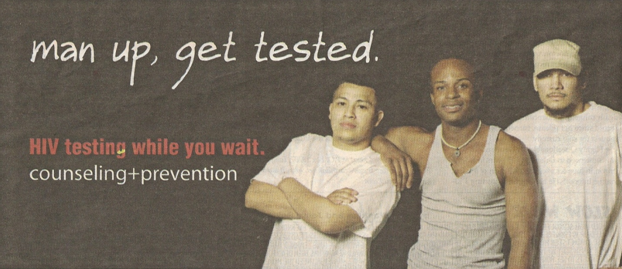
For example, this ad from a western Massachusetts clinic uses the phrase “man up, get tested” — taking care of yourself by getting tested for HIV is linked to your masculinity. What’s interesting is that by including only men of color in the photo, the ad suggests that black and Latino men are particularly obsessed with their masculinity, more so, perhaps, than white men. It also potentially reinforces stereotypes about black men as hyper-sexualized and Latino men as machismo.


[If an item is not written by an IRMA member, it should not be construed that IRMA has taken a position on the article's content, whether in support or in opposition.]

Monday, October 17, 2011

A Donor Deferred: The Lifetime Ban on Blood Donations from Gay Men

via The Huffington Post, by Robert Valadez

"Save a life, give blood," read the sticker on a colleague's lapel. It sounds wonderful -- where do I sign up? Unfortunately, I can't donate blood because I'm gay. Many people are surprised to hear that gay men are prohibited from donating blood in most countries around the world, including the U.S. I've sat at several dinner parties, perched atop my advocacy soapbox, informing straights and gays alike of the U.S. Food and Drug Administration's (FDA) policy that permanently defers any man who has had sex with another man, even once, since 1977, from donating blood.

It wasn't long ago that I was unaware of the policy. Like many college students across the nation, I happily signed up to donate blood at the campus blood drive. In fact, I rallied a group of friends to join me in participating in one of our country's most noble civic duties. One by one, we were called to donate. However, when my name was called, I was escorted to speak with a phlebotomist rather than fitted with an arm tie and stress ball. I was informed that my blood would not be accepted. Not today, not ever again. It had nothing to do with having consumed questionable British meat products or having a deficiency in iron. Rather, I had answered yes to the question -- the one that asked if I had had sex with a man since the 1970s. Given that I was born in the 1980s, the question seemed oddly phrased to me, not to mention unclear as to the definition of sex. Regardless, I checked the box, unaware of its repercussions. Suddenly, I was blacklisted.

Read the rest.


[If an item is not written by an IRMA member, it should not be construed that IRMA has taken a position on the article's content, whether in support or in opposition.]

Optimal Rectal Microbicide Design

via AIDS: Official Journal of the International AIDS Society, by Herrera, Carolinaa; Cranage, Martina; McGowan, Ian; Anton, Peter; Shattock, Robin J

Objective

Receptive anal intercourse in both men and women is associated with the highest probability for sexual acquisition of HIV infection. As part of a strategy to develop an effective rectal microbicide, we performed an ex-vivo preclinical evaluation to determine the efficacy and limitation of multiple combinations of reverse transcriptase inhibitors (RTIs).

Design

A nucleotide, PMPA (tenofovir), a nucleoside, FTC (emtricitabine), RTIs and two nonnucleoside RTIs, UC781 and TMC120 (dapivirine), were used in double, triple and quadruple combinations against a panel of CCR5-uing and CXCR4-using clade B HIV-1 isolates and against RTI-escape variants.

Methods

Indicator cells and colorectal tissue explants were used to assess antiviral activity of drug combinations.

Results

All combinations inhibited the isolates tested in a cellular model and in colorectal explants and produced, for at least one of the compounds, a change in the dose–response curve. Double and triple combinations incrementally augmented activity, even against RTI-escape mutants, whereas quadruple combinations conferred little further advantage.

Conclusion

The colorectal explant model may be used to identify the best candidate molecules and their combinations at the preclinical stage. Furthermore, this study demonstrates that combinations based on RTIs with different HIV-1 inhibitory mechanisms have potential as colorectal microbicides.


[If an item is not written by an IRMA member, it should not be construed that IRMA has taken a position on the article's content, whether in support or in opposition.]
Friday, October 14, 2011

Get Real! I'm a Guy Interested in Receptive Anal Sex: Does That Mean I'm Gay?

via RH Reality Check, by Heather Corinna

bobwilkins asks:

I'm a 16 year old boy, and for as long as I can remember I have been attracted to girls and yet rarely able to feel comfortable around them and get to know them. I've always been a nice person (the friendly guy) but without that many actual close friends who are girls. Recently I've noticed I am turned on (and everything that follows that) with the thought of receiving anal. Yet when I actually tried to see what anal was like through porn (I know this isn't realistic) I really didn't like it (to be polite). People have sometimes quietly thought of me as homosexual as I've never had a girlfriend and now I'm really not sure about myself? There are so many bad stereotypes and public jokes about gays I don't think its worth considering? I guess if I could fall in love with a girl and kiss her I would be far more confident...but I shouldn't need this! Advice please?

Heather Corinna replies:

There are gay or bisexual men who love or like anal sex, it's true. But there are also gay or bisexual men who don't like it, or who just aren't interested in it. There are heterosexual men who don't like anal sex or aren't interested in it, either. There are also heterosexual men who like or love it. And for all of these groups, all of that goes for being on either end of anal sex, as it were, and for people with partners of any or every gender. Human sexuality is incredibly diverse, and all someone liking a given kind of sex can usually tell us by itself is that someone likes that kind of sex. That's it.

Whether or not someone of any gender is curious about, wants, fantasizes about or takes part in anal sex in any way doesn't tell us a darn thing about their orientation. Now, if and when a guy fantasizes about it, wants or or engages in it with other men, then that is an indication that guy probably is attracted to other men (though maybe not just men: being attracted to other men doesn't always mean only being attracted to men), but that's still not about anal sex specifically. That same guy might also feel that way about kissing and who he kisses, but if he told people he was interested in kissing -- just kissing, not kissing any given gender of people -- you wouldn't hear anyone suggesting that probably means he's gay, right?

Read the rest.


[If an item is not written by an IRMA member, it should not be construed that IRMA has taken a position on the article's content, whether in support or in opposition.]

Treatment alone will not win war against HIV

via Cape Argus, by Sipokazi Fokazi

If South Africa is to win the battle against HIV/Aids it cannot rely solely on treatment, and must explore prevention strategies that would target those most at risk, including women and children, a Cape Town scientist and HIV researcher has cautioned.

Professor Linda-Gail Bekker, head of the Desmond Tutu HIV Centre, at UCT, said although the effect of HIV treatment was starting to show with the number of deaths beginning to even out, the country would not win the battle with treatment alone.

Bekker was speaking during a meeting hosted by the Microbicide Media and Communication Initiative, an advocacy group that gathers research in microbicides by a range of organisations.

She warned that reliance on treatment would at some stage become unaffordable and unsustainable.

Finance continued to be a problem for many countries, and paying for antiretroviral drugs was becoming expensive.

“Given the financial difficulties, countries will somehow have to come up with plans on how to bring infection levels down.”

The focus needed to be on strategies that achieved behavioural change.

One of the most important things for South Africa was knowing its epidemic – who was most at risk, who was passing HIV to whom, and where the epidemic was concentrated.

UNAids information was that four population groups remained at risk: men who had sex with men, commercial sex workers, prisoners, and intravenous drug users.

In South Africa, young women and pregnant women could be added to that list.

Bekker suggested targeting, directing and tailoring prevention interventions to reduce infection rates.

“You need to know where most of your infections are occurring, and then to work out how best to intervene. I believe it has been a mistake to think one size fits all,” she said.

One area in which South Africa could start shutting the door was in the mother-to-child transmission of HIV.

“We need to wipe out paediatric infection.”

South Africa could not afford to allow transmission of the virus from mother to child.

“If we don’t prevent this, those children will need treatment for the rest of their lives and it will be expensive for the country. We can bring our mother-to-child HIVinfection rate to below 1 percent.”

Researchers had made great strides in HIV prevention studies, particularly in the field of microbicides.

Bekker said it was important that prevention packages be tailored to population groups that were most at risk.

Such strategies would have to take into account biomedical, behavioural and structural components.

“We are in a very exciting period where a whole range of biomedical technologies are showing partial but significant efficacy. Combinations of these prevention technologies in the future will give people options.”

Among the most promising interventions being researched by the Desmond Tutu HIV Centre and its partners was a rectal microbicide, for those practising anal sex. The proposed study would be carried out here and in other places around the world.


[If an item is not written by an IRMA member, it should not be construed that IRMA has taken a position on the article's content, whether in support or in opposition.]

The Rape of Men

via The Guardian, by Will Storr

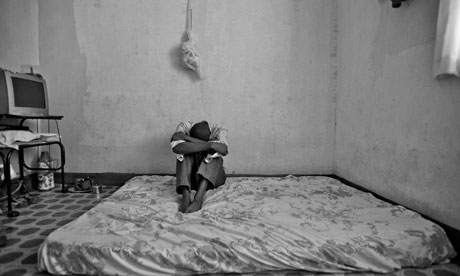
male-rape-victim-ugandaSexual violence is one of the most horrific weapons of war, an instrument of terror used against women. Yet huge numbers of men are also victims. In this harrowing report, Will Storr travels to Uganda to meet traumatised survivors, and reveals how male rape is endemic in many of the world's conflicts.

Of all the secrets of war, there is one that is so well kept that it exists mostly as a rumour. It is usually denied by the perpetrator and his victim. Governments, aid agencies and human rights defenders at the UN barely acknowledge its possibility. Yet every now and then someone gathers the courage to tell of it. This is just what happened on an ordinary afternoon in the office of a kind and careful counsellor in Kampala, Uganda. For four years Eunice Owiny had been employed by Makerere University's Refugee Law Project (RLP) to help displaced people from all over Africa work through their traumas. This particular case, though, was a puzzle. A female client was having marital difficulties. "My husband can't have sex," she complained. "He feels very bad about this. I'm sure there's something he's keeping from me."

Owiny invited the husband in. For a while they got nowhere. Then Owiny asked the wife to leave. The man then murmured cryptically: "It happened to me." Owiny frowned. He reached into his pocket and pulled out an old sanitary pad. "Mama Eunice," he said. "I am in pain. I have to use this."

Laying the pus-covered pad on the desk in front of him, he gave up his secret. During his escape from the civil war in neighbouring Congo, he had been separated from his wife and taken by rebels. His captors raped him, three times a day, every day for three years. And he wasn't the only one. He watched as man after man was taken and raped. The wounds of one were so grievous that he died in the cell in front of him.

Read the rest.


[If an item is not written by an IRMA member, it should not be construed that IRMA has taken a position on the article's content, whether in support or in opposition.]

Thursday, October 13, 2011

Phylodynamics of HIV-1 Subtype B among the MSM Population in Hong Kong

via pubmed.gov, by Jonathan Hon-Kwan Chen, Ka-Hing Wong, Kenny Chi-Wai Chan, Sabrina Wai-Chi To, Zhiwei Chen, and Wing-Cheong Yam

Abstract

The men-having-sex-with-men (MSM) population has become one of the major risk groups for HIV-1 infection in the Asia Pacific countries. Hong Kong is located in the centre of Asia and the transmission history of HIV-1 subtype B transmission among MSM remained unclear. The aim of this study was to investigate the transmission dynamics of HIV-1 subtype B virus in the Hong Kong MSM population. Samples of 125 HIV-1 subtype B infected MSM patients were recruited in this study. Through this study, the subtype B epidemic in the Hong Kong MSM population was identified spreading mainly among local Chinese who caught infection locally. On the other hand, HIV-1 subtype B infected Caucasian MSM caught infection mainly outside Hong Kong. The Bayesian phylogenetic analysis also indicated that 3 separate subtype B epidemics with divergence dates in the 1990s had occurred. The first and latest epidemics were comparatively small-scaled; spreading among the local Chinese MSM while sauna-visiting was found to be the major sex partner sourcing reservoir for the first subtype B epidemic. However, the second epidemic was spread in a large-scale among local Chinese MSM with a number of them having sourced their sex partners through the internet. The epidemic virus was estimated to have a divergence date in 1987 and the infected population in Hong Kong had a logistic growth throughout the past 20 years. Our study elucidated the evolutionary and demographic history of HIV-1 subtype B virus in Hong Kong MSM population. The understanding of transmission and growth model of the subtype B epidemic provides more information on the HIV-1 transmission among MSM population in other Asia Pacific high-income countries.

Read the rest of the study here.


[If an item is not written by an IRMA member, it should not be construed that IRMA has taken a position on the article's content, whether in support or in opposition.]

Targeting the Invisible World Of Men Who Have Sex With Men

via Outwords, by Peter Carlyle-Gordge

Ask any outreach worker in the fight against HIV transmission and you’ll find one of the hardest at-risk groups to reach is MSM, or men who have sex with men.

Men in this group don’t necessarily identify as gay. Some may be married to women and have families. Some may simply avoid defining their sexual orientation and it is often hard to pinpoint where they gather or connect.

Now, if reaching the MSM group is challenging here, consider its near impossibility in such homophobic places as Africa, a place still plagued by superstition, repression and an outright burning hostility to any sexual practices beyond the vanilla heterosexual variety. In many Islamic countries such as Iran and Iraq, being attracted to the same sex may bring instant death by a mob, or less instant death after a shameful “trial” in an Islamic court, which may sentence you to be hanged, often in public.

Attitudes to same-sex attraction in Africa aren’t much better, with a nasty, often violent reaction to same-sex couplings – an official kind of homophobia that is encouraged by the Neanderthal and ignorant Catholic and Anglican churches. Indeed, the current worldwide Anglican communion is deeply split on same-sex rights, thanks largely to the Archbishop of Canterbury kowtowing in fear to the outspoken black African bishops who despise homosexuality and claim God does, too.

You don’t need to go far to stack up evidence of this official homophobia. The president of Iran famously came to the U.S. and told a university audience that same-sex dalliances did not exist in Iran. The evidence in the form of beatings and hangings of gay men tends to undermine his insane statement.

Read the rest.


[If an item is not written by an IRMA member, it should not be construed that IRMA has taken a position on the article's content, whether in support or in opposition.]

Wednesday, October 12, 2011

The Pharmacokinetics of Tenofovir Following Intravaginal and Intrarectal Administration of Tenofovir Gel to Rhesus Macaques

via AAC Accepts, by Jeremy Nuttall, Angela Kashuba, Ruili Wang, Nicole White, Philip Allen, Jeffrey Roberts, and Joseph Romano

Abstract


Tenofovir gel (1%) is being developed as a microbicide for the prevention of HIV infection, and has been shown to reduce transmission to women by 39%. The gel also prevents infection in macaques when applied intravaginally or intrarectally prior to challenge with SHIV, but very little pharmacokinetic information in macaques is available to help extrapolate the data to humans, and thus inform future development activities. We have determined the pharmacokinetics of tenofovir in macaques following intravaginal and intrarectal administration of 0.2, 1 and 5% gels. Plasma and vaginal and rectal fluid samples were collected up to 24 hours after dosing, and at 24 hours post dosing biopsies were taken from the vaginal wall, cervix and rectum. Following vaginal and rectal administration, tenofovir rapidly distributed to the matrices distal to the site of administration. In all matrices, exposure increased with increasing dose, and with the 1% and 5% formulations, concentrations remained detectable in most animals 24 h after dosing. At all doses, concentrations at the dosing site were typically 1-2 logs higher than in the opposite compartment, and 4-5 logs higher than in plasma. Exposure in vaginal fluid after vaginal dosing was 58-82% lower than in rectal fluid after rectal dosing, but plasma exposure was 1-2-fold greater after vaginal dosing than after rectal dosing. These data suggest that a tenofovir-based microbicide may have the potential to protect when exposure is via vaginal or anal intercourse, regardless of whether the microbicide is applied vaginally or rectally.


[If an item is not written by an IRMA member, it should not be construed that IRMA has taken a position on the article's content, whether in support or in opposition.]

Questions Surround PrEP Trials

via The New York Times, by David Tuller

In the past year, three landmark clinical trials have shown that a daily dose of the antiretroviral medication Truvada can protect individuals from infection with H.I.V. — a significant discovery, given the failure so far of all efforts to develop a vaccine against the virus.

Now researchers in San Francisco and Miami are planning to test this prevention strategy, called pre-exposure prophylaxis, or PrEP, in a pilot study supported by the National Institutes of Health. The researchers will soon recruit up to 500 uninfected men who have sex with men, especially those considered to be at greatest risk of infection, such as younger gay men and, in particular, African-Americans.

The men will be asked to take Truvada daily, and the researchers will monitor their compliance with the regimen, their sexual behavior and their health status. Already, though, the prospect of antiretroviral drugs’ being used for prevention as well as treatment is raising complex questions for researchers and advocates.

Will healthy uninfected people consistently take an expensive and powerful drug that can cause a range of side effects? Is it fair to provide medications to H.I.V.-negative individuals when so many of those already infected do not have access? Will those receiving the drug be more likely to engage in risky sex because they believe they are protected — even if they do not always take it as prescribed?

Read the rest.


[If an intem is not written by an IRMA member, it should not be construed that IRMA has taken a position on the article's content, whether in support or in opposition.]

Monday, October 10, 2011

Pro/Con: Two views of U.S. prohibiting gay men's blood donation

via The Los Angeles Times, by Jessica Pauline Ogilvie

Donor bloodLast month, the United Kingdom lifted its long-standing ban on accepting blood donations from gay men. Instead, health officials there implemented a new policy that allows men to become blood donors as long as they haven't had sex with another man in the previous year.

With this decision, the U.K. joined France, Italy, Japan and eight other developed countries in allowing gay and bisexual men to contribute to the nation's blood supply. Many of those countries require sexually active gay men to wait a year before giving blood, while others have deferral periods of six months or five years. Some countries have regulations that focus on potential donors' risky sexual behavior rather than their sexual orientation.

In the United States, however, men who have sex with men are still subject to a lifetime ban on donating blood. The U.S. Food and Drug Administration implemented the ban in 1983 after an estimated 10,000 people with the bleeding disorder hemophilia became infected with HIV through transfusions of HIV-tainted blood.

That policy has become increasingly controversial in recent years. Some experts in the field of blood safety — as well as gay rights activists — say that it's discriminatory and that scientific advances in testing for HIV render it obsolete. Many would like to see the policy changed to resemble the U.K.'s one-year deferral policy or have the ban lifted altogether.
On the other side of the debate are those who say that men who have sex with men still face a heightened risk of contracting HIV and that even a small increased threat to the blood supply isn't justifiable.

The issue has divided major U.S. health organizations. Last year, the FDA denied a request to overturn the ban, but the American Red Cross and others support moving to a one-year deferral.

Read the rest.


[If an item is not written by an IRMA member, it should not be construed that IRMA has taken a position on the article's content, whether in support or in opposition.]

Friday, October 7, 2011

Announcing the 2012 Omololu Falobi Award for Excellence in HIV Prevention Research Community Advocacy

Five years ago on October 5 2006, we lost our brother and colleague Omololu Falobi. Those who knew Omololu professionally will remember him, among many other things - as a talented journalist on HIV, as an activist for social justice, as an advocate for prevention research and as a son of Africa in his zeal to ensure Africans were taking ownership of their own HIV care and prevention.

Omololu founded the Journalists Against AIDS in Nigeria (JAAIDS), was an instrumental pioneer member of the Nigerian Treatment Access Movement (TAM), and co-founded the New HIV Vaccine & Microbicide Advocacy Society (NHMAS). He was tragically killed in 2006 in Lagos, Nigeria.

In 2008, in honour of Omololu’s memory and commitment to the field, The Omololu Falobi Award for Excellence in HIV Prevention Research Community Advocacy was established by the African Microbicides Advocacy Group (AMAG) and partners. The Award is presented to an individual nominated by their peers at the biennial International Microbicides Conferences. Lori Heise (USA) and Aylur Srikrishnan (India) were the 2008 recipients and Charles Shagi (Tanzania) the recipient in 2010.

In continuation of this tradition and to mark the fifth anniversary of Omololu’s death, we proudly announce the call for nominations of The Omololu Falobi Award for Excellence in HIV Prevention Research Community Advocacy 2012 to be awarded to a community advocate in recognition of their contribution to the HIV prevention research field through community advocacy.

The 2012 Award Planning Committee includes representatives from the African AIDS Vaccine Program (AAVP), AMAG, AVAC: Global Advocacy for HIV Prevention, the Global Campaign for Microbicides (GCM), International Rectal Microbicides Advocates (IRMA), JAAIDS, NHVMAS and TAM, with acknowledgment from the Omololu Falobi Foundation.

Nominations will be reviewed by a committee of stakeholders in the prevention research field and the selected individual will then be recognized and awarded at the Closing Ceremony of the International Microbicides 2012 Conference in Sydney, Australia in April 2012. We are pleased to work with the Microbicides 2012 Conference Planning Committee to present the Award next year.
A call for nominations and information on the selection process will be circulated later this month.

On behalf of the planning committee:
AAVP, AMAG, AVAC, GCM, IRMA, JAAIDS, NHVMAS, TAM

For more information:
Website: http://www.avac.org/ht/d/sp/i/4345/pid/4345
Email: amag_info@yahoo.com


[If an item is not written by an IRMA member, it should not be construed that IRMA has taken a position on the article's content, whether in support or in opposition.]

Wednesday, October 5, 2011

Addressing the HIV Epidemic among Gay and Bisexual Men

via AIDS.gov, by Kevin Fenton, M.D., Ph.D., FFPH, Director, National Center for HIV/AIDS, Viral Hepatitis, STD, and TB Prevention, CDC

In 1981, our nation and its public health system were grappling with a new disease that was taking the lives of gay men across the United States. Thirty years later, HIV/AIDS continues to be a crisis among gay and bisexual men. The latest data show men who have sex with men (MSM) remain most affected in this country. Although MSM represent 2% of the population, they account for 64% of all new infections (including 3% among MSM who are injection drug users [IDUs]). CDC estimates that there were more than 30,000 new HIV infections in 2009 among MSM, including MSM-IDU. Though the numbers have gone down dramatically, approximately 7,000 MSM with an AIDS diagnoses still die each year and nearly 300,000 MSM with AIDS have died since the beginning of the epidemic.

Today, we commemorate the fourth annual National Gay Men’s HIV/AIDS Awareness Day, an observance founded by the National Association of People with AIDS to raise awareness of the HIV/AIDS epidemic among gay and bisexual men. This annual observance is one way we are focusing attention and resources on those populations at highest risk for HIV infection, including gay and bisexual men. This focus is a top priority outlined in the National HIV/AIDS Strategy (NHAS).

To reach those at risk, CDC is pursuing High Impact Prevention to support the most effective and impactful programs to aggressively reach the goals of the National Strategy. The interventions are being implemented at the federal, state, and local levels to reach the right populations at a scale large enough to make a significant difference. These approaches include expanded testing efforts to ensure more gay and bisexual men get tested at least annually, more often if at increased risk;prevention programs for people living with HIV and their partners; condom distribution; demonstration projects that focus on the most heavily affected communities; and matching HIV prevention funding for health departments and community-based organizations in those locations with the highest HIV burden.

Read the rest.


[If an item is not written by an IRMA member, it should not be construed that IRMA has taken a position on the article's content, whether in support or in opposition.]

Using Conjoint Analysis to Measure the Acceptability of Rectal Microbicides Among Men Who Have Sex with Men in Four South American Cities

via Pubmed.gov, by Kinsler JJ, Cunningham WE, Nureña CR, Nadjat-Haiem C, Grinsztejn B, Casapia M, Montoya-Herrera O, Sánchez J, Galea JT.

Abstract

Conjoint Analysis (CJA), a statistical market-based technique that assesses the value consumers place on product characteristics, may be used to predict acceptability of hypothetical products. Rectal Microbicides (RM)-substances that would prevent HIV infection during receptive anal intercourse-will require acceptability data from potential users in multiple settings to inform the development process by providing valuable information on desirable product characteristics and issues surrounding potential barriers to product use. This study applied CJA to explore the acceptability of eight different hypothetical RM among 128 MSM in Lima and Iquitos, Peru; Guayaquil, Ecuador; and Rio de Janeiro, Brazil. Overall RM acceptability was highest in Guayaquil and lowest in Rio. Product effectiveness had the greatest impact on acceptability in all four cities, but the impact of other product characteristics varied by city. This study demonstrates that MSM from the same region but from different cities place different values on RM characteristics that could impact uptake of an actual RM. Understanding specific consumer preferences is crucial during RM product development, clinical trials and eventual product dissemination.


[If an item is not written by an IRMA member, it should not be construed that IRMA has taken a position on the article's content, whether in support or in opposition.]

Monday, October 3, 2011

Closure of oral Tenofovir arm in VOICE Pre-Exposure Prophylaxis trial: PrEP as a “niche intervention”?

via Incidence, by Roger J. Tatoud

The Microbicides Trial Network (MTN) September 28th that its VOICE (Vaginal and Oral Interventions to Control the Epidemic, MTN003) HIV Pre-Exposure Prophylaxis (PrEP) prevention study will discontinue the daily oral tenofovir arm of the trial. The decision follows an interim review of the trial’s data by its Data Safety and Monitoring Board (DSMB) which recommended that VOICE stops evaluating the oral tenofovir tablet (TDF, brand name Viread), because it will not be possible for the study to show a difference in effect between the drug and the placebo tablet (futility) for the prevention of HIV infection in the context of that study. Importantly, the DSMB did not found any safety issues associated with the use of TDF in any arm of the trial.

This is the third PrEP trial, after FEM-PrEP and TDF2, for which an interim review of the trial’s data led to a change of course of the study. Because the four other arms of the VOICE trial continue, there are no data available publicly yet to explain why tenofovir would not show effectiveness in this study when three other studies showed a dramatic reduction in the risk of HIV infection with tenofovir alone or in combination with another antiretroviral (see table below). However, Sharon Hillier and Ian McGowan of the Microbicide Trials Network noted that the study’s population – predominately women in their 20’s, could be an important factor.

“If there’s one thing we’ve learned over the years it’s that unmarried women in their 20s are in a very different place in their lives than married women in their 30s. People in different circumstances will make different choices about their use of condoms, their choice of partners and whether or not to use a biomedical prevention product. As we continue the VOICE trial we recognize that there could be many factors that influenced the outcome with oral tenofovir, and even when we have more information available to us, understanding what exactly happened (or not) will not be simple.”

If confirmed (a full analysis of the data will not be available before several months) this would add to the challenge of defining a strategic use for PrEP in the general population or in populations at risk.

Read the rest.


[If an item is not written by an IRMA member, it should not be construed that IRMA has taken a position on the article's content, whether in support or in opposition.]
Related Posts Plugin for WordPress, Blogger...